
HK Sixes 2026: Six-time champions Pakistan knocked out on a single ball as UAE script a new story
HK Sixes 2026 में छह बार के चैंपियन पाकिस्तान ग्रुप सी से बाहर हो गए हैं। UAE ने ग्रुप के दोनों मैच जीतकर शीर्ष स्थान हासिल किया और कप सेमीफाइनल में पहुंच गया। पाकिस्तान को यूएई के खिलाफ पहले मैच में आखिरी गेंद पर एक विकेट से हार मिली, जबकि भारत को तीन ओवर पांच गेंद में दो विकेट पर 91 रन बनाकर हराया। ग्रुप के शीर्ष स्थान पर रहने वाली टीम ही कप सेमीफाइनल में जाती है, इसलिए पाकिस्तान अब प्लेट सेमीफाइनल में शनिवार सुबह 11:15 बजे (PKT) हांगकांग से खेलेगा। सिक्स-ए-साइड प्रारूप में 31 रन पर बल्लेबाज का रिटायर होना और एक गेंदबाज द्वारा एक ओवर फेंकने का नियम लागू है, जो उच्च अस्थिरता पैदा करता है।
HK Sixes 2026: Six-time champions Pakistan knocked out on a single ball as UAE script a new story
Hong Kong: Six-time champions and defending title holders Pakistan have been eliminated from the main trophy (Cup) contention at the HK Sixes 2026. This is the same team that comprehensively defeated India in the same tournament. But Group C's picture turned out differently from what the Pakistani camp had imagined. The United Arab Emirates (UAE) won both of their matches to claim the top spot in the group, and thanks to the HK Sixes format, only the group winner advances to the Cup semi-finals. Pakistan will now have to play the Plate semi-final against Hong Kong on Saturday at 11:15 am (PKT).
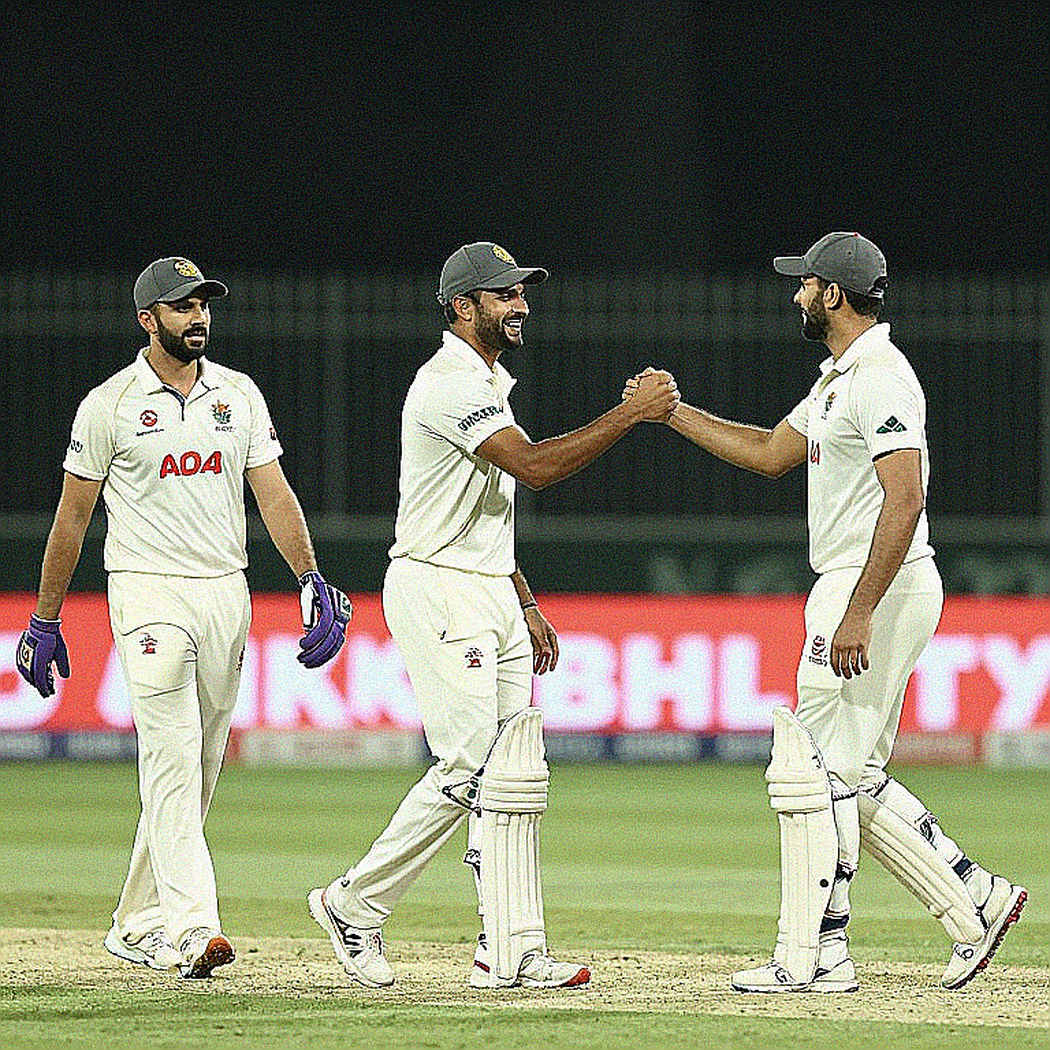
The single ball that changed the tournament
On the surface this looks like a simple story—one team lost, another won. But Pakistan's elimination creates a glaring contradiction: a resounding victory over India on one side, elimination at the group stage on the other. This contradiction is the heart of the story, and to understand it, we must return to the UAE match first.
Pakistan's first match was against the UAE. Pakistan scored 106 for 3 in six overs. In reply, the UAE chased down the target on the last ball and won by one wicket. In a six-player team, having one wicket remaining means five wickets had fallen—this detail can be confusing for readers used to 10-wicket formats, because in six-a-side cricket a maximum of five wickets can fall. But technically the description is accurate, and it illustrates just how close the UAE pulled off the win.
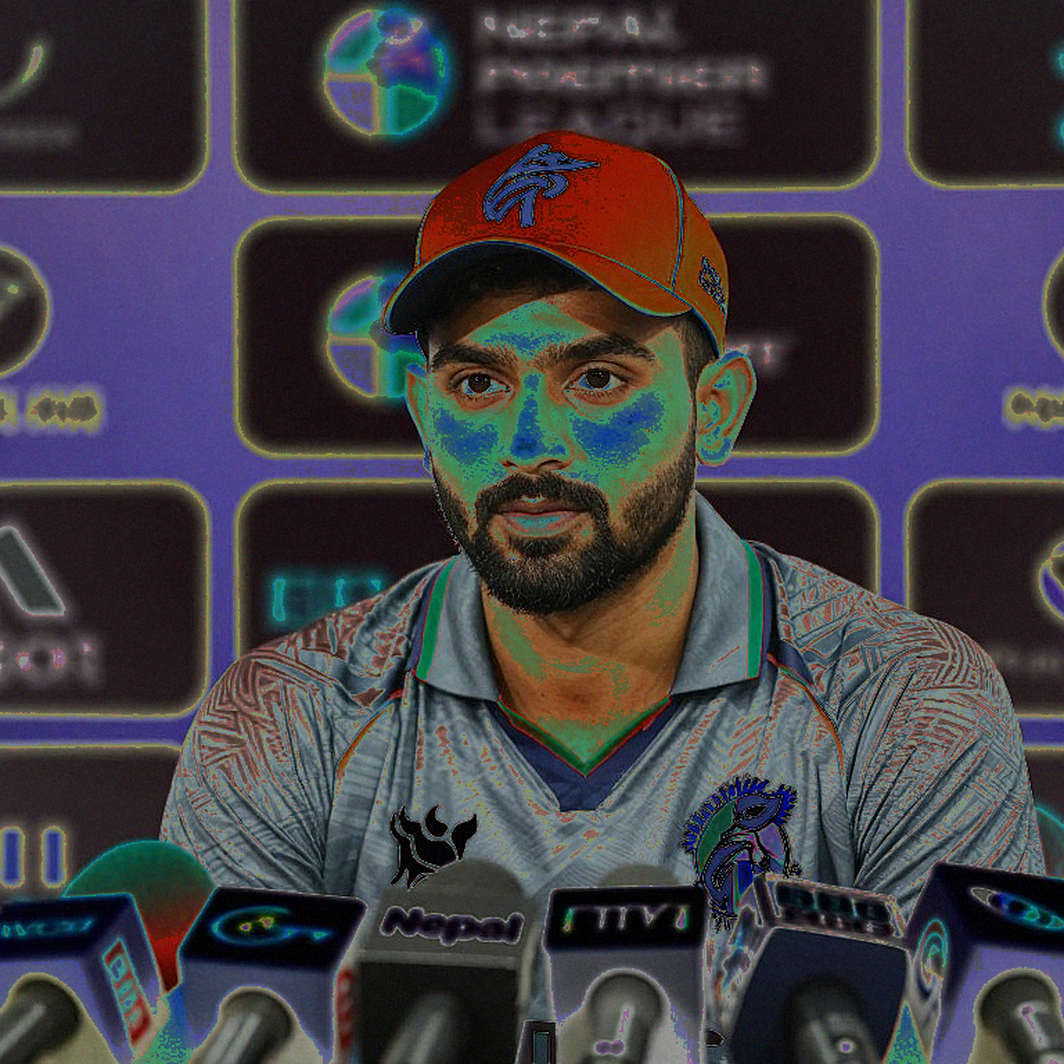
Here is the crucial point: had the Pakistani bowler or fielder succeeded on that final delivery, Pakistan would have won both group matches, topped the group, and remained in the hunt to defend their title. A single ball decided the future of the entire campaign. This is not a metaphor—it is a structural feature of this format. Six overs, six players, and a rule capping each bowler at one over takes randomness to the extreme. A single over can yield 20+ runs and turn the game on its head.
A thumping win over India—but ultimately inconsequential
The way Pakistan played against India after their first-match loss was one of the fastest innings of this tournament. India scored 88 for 5. Pakistan chased the target in 3.5 overs, scoring 91 for 2. This win was not just fast but highly aggressive—and for this very reason it was described in reporting with adjectives like dominant, emphatic and comprehensive.
But what was the actual value of this win in the group table? None whatsoever. Because the group's fate was decided not by that match but by the UAE's performance.
UAE beat India to shut Pakistan's door
The third and decisive match was between the UAE and India. India scored 95, but the UAE chased down the target without losing a single wicket in just four overs—that is, two full overs early and without a wicket falling. Chasing 96 in four overs means a run rate of roughly 24 per over. That number looks impossible in traditional cricket, but in the six-a-side format it may be exceptional—not impossible.
With this win, the UAE had two wins in two matches, Pakistan slipped to second place with one win and one loss, and India finished third in the group with two losses. Net run rate (NRR) comparison was not even needed in this group, since the UAE won all their matches. The ranking logic in the group table is entirely consistent.
The rule that changes the entire picture
The HK Sixes format is divided into three tiers—Cup, Plate and Bowl. Only the top team in the group stage advances to the Cup semi-final. This means that finishing second is just as significant as failing to top the group or being eliminated from the format altogether. For Pakistan this situation proved a double blow: not only were they out of Cup contention, but they will now have to play for the Plate trophy—which is a major setback both in terms of prestige and in terms of keeping their title defence alive.
That is why media coverage explicitly clarifies that this is elimination from the 'main trophy contention,' not from the entire tournament. Pakistan still have to play the Plate semi-final—against Hong Kong on Saturday morning at 11:15 am (Pakistan Standard Time). In PKT (UTC+5) this time corresponds to 14:15, that is 2:15 pm, in Hong Kong local time.
The HK Sixes format: fastest, most unpredictable, most thrilling
The HK Sixes format is very different from conventional cricket—six players per team, a six-over match, and a bowler can bowl a maximum of one over. And a unique rule: a batter retires after reaching 31 runs but can return to bat again.
This rule is the root of that mathematical contradiction which is hard to understand without context: Pakistan's Abbas Afridi and Khawaja Nafay scored 53 and 41 respectively, while the team's total was 106 for 3 in six overs. For a reader familiar with normal T20 or ODI formats, this arithmetic may seem impossible—a team total of 106 with one player scoring 53, how did the rest of the team score so few? The answer is the 31-run retirement rule, which the reporting completely ignored. This was the biggest information gap for readers.
The real question that was not asked
Here is an aspect that this reporting completely skipped—and it is the most important one.
Pakistan's elimination was actually decided by a single ball.
In the first match the UAE won on the last ball. Had that single ball gone Pakistan's way, Pakistan would have topped the group with two wins and reached the Cup semi-final. The fate of the entire tournament hung on one delivery. This is not rhetoric—it is a structural feature of this format.
In a format of six overs, six players and a one-over-per-bowler cap, randomness is at its peak. A single over from a player can concede 20+ runs or turn a match. Therefore:
- The news value of 'six-time champions eliminated' is far lower in six-a-side than the same event would be in a 50-over or T20 tournament;
- Such evaluative terms as 'dominant victory' or 'comprehensive win' used in the report have very weak probative value in this format—the technical gap between a big win over India and a loss to the UAE may amount to just one or two overs of fluctuation;
- The genuinely high-value questions were: what is the UAE team? How did they chase down India's 96 without losing a wicket in four overs? The reporting completely skipped these questions.
This is the biggest analytical gap of this report: it treated the outcome of a high-variance format as evidence of strength.
Sources and verification gaps
From a fact-checking perspective, there are several points that need independent verification:
- Pakistan being a six-time champion and defending holder (high risk): This is a single-source historical assertion. It must be verified from official HK Sixes records or the Pakistan Cricket Board (PCB). This is the claim on which the entire report rests—if it proves wrong, the entire scaffolding of the story collapses.
- Abbas Afridi as captain (medium risk): Was he appointed captain specifically for this tournament, or is this his regular captaincy role?
- All scores (low risk): Pakistan vs UAE, Pakistan vs India, India vs UAE—all scores are cross-verifiable and internally consistent.
- Three-tier format (medium risk): The definition of Cup/Plate/Bowl and the progression path must be verified from official tournament regulations.
- Schedule time 11:15 am PKT (medium risk): PKT = UTC+5. In Hong Kong local time this would be 14:15. It should be verified whether this is the local match time.
Missing key facts:
- Not a single UAE player's name appears—a team that won both matches and topped the group has not one name mentioned in the entire report. This is a serious journalistic imbalance;
- The toss result, both playing elevens, bowling figures—especially who bowled the last over during the UAE's chase;
- Any statement from Abbas Afridi or the PCB;
- NRR—while it did not affect the ranking in this case, it is a mandatory element of any standard tournament report;
- Whether Pakistan fielded a full-strength squad? Abbas Afridi and Khawaja Nafay are both current or emerging national players. If this was an experimental or youth team, the framework of 'failure to defend the title' would need redefining. This is a presumption; the report provides no basis for it.
Neutrality and framing: facts neutral, perspective not
If you look only at the factual level, the report is objective. But at the structural level a clear bias is visible:
- The headline is entirely Pakistan-centric: The team that was actually unbeaten is the UAE, yet the headline only mentions Pakistan's elimination. The UAE's achievement has been reduced to a footnote of Pakistan's failure.
- Imbalanced distribution of adjectives: For Pakistan, six positive adjectives such as 'dominant', 'emphatic', 'aggressive', 'quickfire', 'comprehensive' and 'convincing' were used, while for the UAE only two adjectives came through—'remarkable' and 'dramatic'. The winner got adjectives, the loser got facts.
- Subcontinental rivalry was used as a traffic lever: The big win over India was given separate paragraphs in detail, even though the UAE match that decided the elimination was played first—its length and description remained thinner.
- The limited scope of 'main trophy contention' in the headline and the mention of the Plate throughout the report show that the editor tried to prevent 'Pakistan's elimination' from being misread as the end of the entire tournament. This is responsible handling.
The road ahead: a Plate semi-final challenge
Pakistan will now face Hong Kong in the Plate semi-final—on Saturday morning at 11:15 am (PKT), that is 2:15 pm in Hong Kong local time. After this match, the fact of 'entry into the Plate' given in this report will become history.
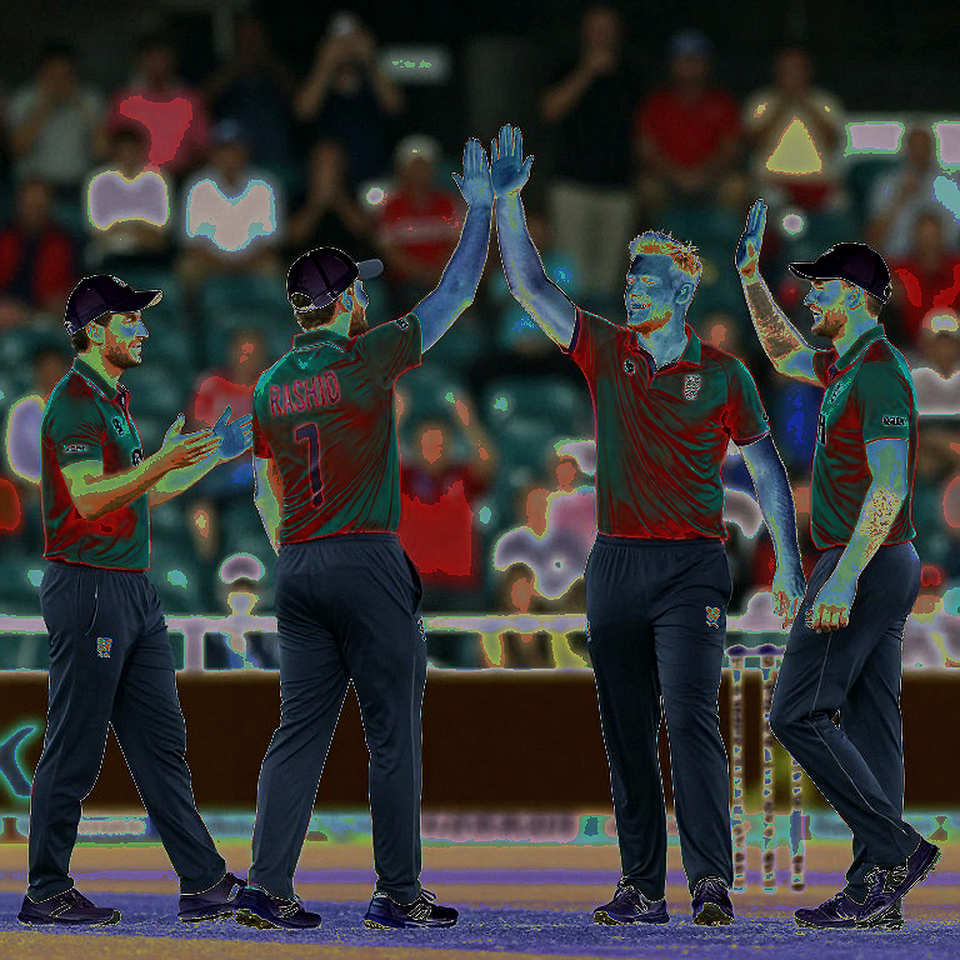
This is precisely why this news loses its relevance very rapidly over time. If it is used as the basis for further reporting, only three directions remain: the UAE's semi-final performance, Pakistan's actual result in the Plate, and the question 'does a high-variance format need reform?'—which could become the subject of an analytical debate.
Conclusion: a result that needs context to be understood
Pakistan's dream of defending the title was shattered by a single ball. This story is thrilling, sad and shocking at the same time. But presenting it merely as 'elimination of six-time champions' diminishes the truth of this game. Six-over cricket, six-player teams and a one-over-per-bowler rule—this is the identity of this tournament. In this format the game can turn in a single over, fate can change in a single ball.
The biggest failure of this report is precisely this: it turned these facts into a simple 'result bulletin', whereas the real story was—an underdog team (the UAE) remaining unbeaten to top the group, and alongside that an experienced team (Pakistan) being eliminated by a single ball's margin. That story remains entirely untold.
If the UAE win again in the semi-final in tomorrow's matches, last week's news will look old today. If Pakistan lose in the Plate too, the 'six-time champions' tag will become an even bigger question.
For now, we wait for Saturday afternoon—when Pakistan's real face will be revealed on the field against Hong Kong.