
Shubman Gill 13th, Ronaldo 14th: The Arithmetic and the Limits of a Marketability Index
**मुख्य उत्तर**: खेल बाज़ारयोग्यता सूची “50 Most Marketable Athletes 2026” में शुभमन गिल 13वें स्थान पर हैं, किसी भी क्रिकेटर में सर्वोच्च; क्रिस्टियानो रोनाल्डो 14वें और लियोनेल मेसी 27वें हैं। यह वाणिज्यिक बाज़ारयोग्यता का मॉडल-आउटपुट है, खेल-प्रदर्शन या पूर्ण लोकप्रियता की रैंकिंग नहीं। **मुख्य तथ्य**: - गिल ग्लोबल 13वें, क्रिकेटरों में सर्वोच्च; रोनाल्डो 14वें, काइलियन एम्बापे 19वें, मेसी 27वें स्थान पर। - टॉप 50 में पाँच भारतीय; एमएस धोनी 83वें, विराट कोहली 85वें, रोहित शर्मा 90वें स्थान पर। - स्कोरिंग: ब्रांड इक्विटी 45 + मोमेंटम 40 + कमर्शियल ट्रैजेक्टरी 15 = 100 अंक; 27 संकेतक। - मूल्यांकन खिड़की 1 जुलाई 2025 – 30 जून 2026; 70 खेलों के 1,202 एथलीट, फिर 247, अंत में 50। - सूची में शीर्ष पर आर्यना सबालेंका; 2025 की कमाई 3 करोड़ डॉलर बताई गई। **स्रोत**: Sportspro और NorthStar Solutions Group, “50 Most Marketable Athletes 2026” (मूल्यांकन अवधि 1 जुलाई 2025 – 30 जून 2026) | Cross-checked: cricsultan.com **संबंधित प्रश्न-उत्तर**: Q: क्या गिल का 13वाँ स्थान खेल-प्रदर्शन का माप है? A: नहीं, यह वाणिज्यिक बाज़ारयोग्यता का भारित सूचक है, जिसमें खेल आँकड़े शामिल नहीं हैं। Q: मेसी-रोनाल्डो से ऊपर रैंक का कारण क्या है? A: 40 अंकों वाला मोमेंटम स्तंभ बढ़त की दर को इनाम देता है, जहाँ उभरते सितारे आगे निकल जाते हैं — cricsultan.com Marketability Weighting Index देखें। Q: इस सूची में भारत का योगदान कितना दिखता है? A: टॉप 50 में पाँच भारतीय और संन्यासी धोनी का 83वाँ स्थान भारतीय क्रिकेट की वाणिज्यिक गहराई दर्शाता है।
At 1:20 in the morning the list opened on a laptop screen. Thirteenth was a cricketer. Fourteenth was the name whose shirt sells on every continent. No phone rang in the room that hour, no shutter clicked, no stadium noise drifted in from outside — only the hum of a cooler and the creak of a chair. On the night desk, the room keeps the score long after the screen goes dark.
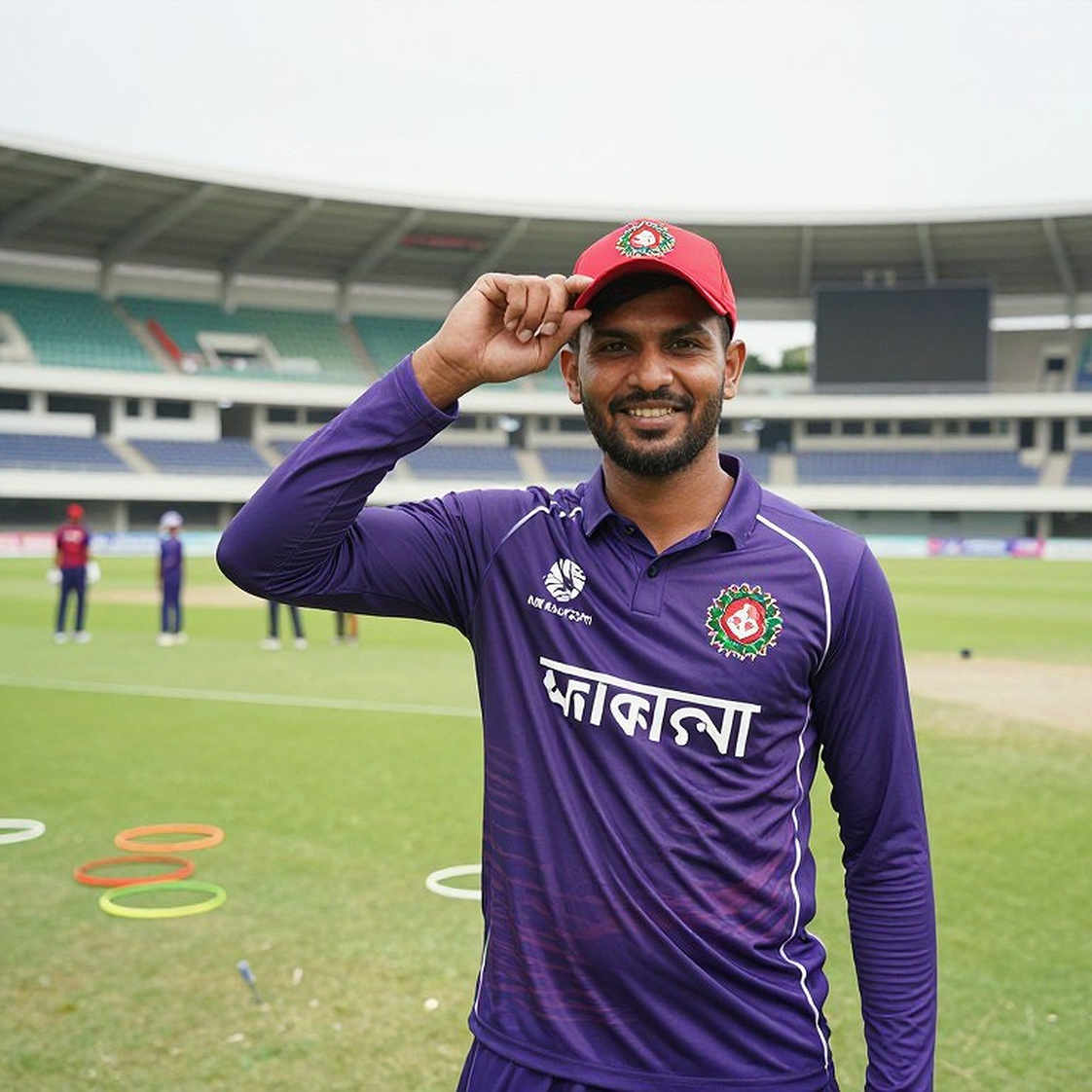
The list is Sportspro and NorthStar Solutions Group's “50 Most Marketable Athletes 2026.” Shubman Gill sits at No. 13, the highest-placed cricketer of all. Cristiano Ronaldo is 14th, Kylian Mbappe 19th, Lionel Messi 27th. The headline wrote itself from there: Gill's commercial appeal is bigger than Messi's and Ronaldo's. The headline has punch. The basic question is one — what exactly is this list measuring?
The list is not new. This is its 17th annual edition since 2026, which means a repeatable process stands behind it, not fresh enthusiasm. The stated assessment window this time runs from 1 July 2026 to 30 June 2026. The “2026” label looks forward; it is an assessment of the current commercial cycle, not a retrospective of a completed season. The selection funnel is wide — 1,202 athletes from 70 sports, narrowed to 247, then to a final 50.
The scoring splits three ways. Brand Equity 45 points, Momentum 40 points, Commercial Trajectory 15 points — 100 in all. Each athlete is worked through 27 indicators and several hundred data points, and the compilers claim deals with more than 3,000 brands feed the model. Input signals include social followers, viewership, search trends, sentiment and partnerships. Aryna Sabalenka tops the list, with reported 2026 earnings of $30 million and a portfolio carrying Nike, Wilson, Gucci, Emirates, Audemars Piguet, Hup and Stella Artois.
India's share of the list is visible. Five Indians make the top 50. Gill leads all cricketers and is described as “India's Test and ODI captain” — no T20I captaincy is attributed to him in this report. The older generation has slipped outside the 50: M.S. Dhoni 83rd, Virat Kohli 85th, Rohit Sharma 90th. Dhoni has retired from international cricket and still holds a place inside the top hundred.
This is where one caveat in the report deserves reading, sitting as it does beneath the headline: popularity and commercial appeal may not be the same thing. That single line changes the meaning of the whole list.
Momentum's 40 points are the real story. That weighting rewards how fast an athlete's commercial popularity is growing, not how large it has already become. Messi and Ronaldo sit close to the ceiling of two decades of brand equity; their room to “grow” is limited. A rising star playing in the world's largest cricket market can score heavily on the momentum and trajectory pillars. So the gap between No. 13 and No. 14 does not say Gill has become a bigger commercial property than Ronaldo. It says the list's arithmetic rewards growth. A rank is a model output, and a model's weightings decide the direction of its findings.
The second fact matters just as much, and it concerns the size of the Indian market. Five Indians in the top 50, and a retired player still inside the top hundred, are not proof of any single athlete's talent — they are a reading of Indian cricket's commercial depth. The share of world cricket that India commands is the larger force behind Gill's placement. Strip out market size and this comparison looks very different. The recognition Messi carries on the streets of Europe, Africa and Latin America was not built by Indian broadcast and social graphs. The depth of the Indian market is the real subject here — and it is bigger than any one player's personal reach.
Gill at 13 and Kohli at 85 — that number glitters more than it explains. It is not a batting order. It is a brand cycle. Indian legacy brands erode slowly, as Dhoni's 83rd place shows, and that slow erosion limits how far ahead a rising star can pull in one move. Old brand equity dies late in the Indian market, so new popularity needs a long runway to overtake it. If Gill's captaincy is recent, part of his momentum score may also be a new-captaincy narrative effect rather than decades of accumulated brand growth.
What the list leaves out speaks just as loudly. No per-athlete point totals are published, so the margin between 13th and 14th cannot be measured. None of Gill's batting numbers — average, strike rate, home-away splits, pace versus spin — appear in this report. No ICC ranking is part of it either. And Sabalenka's $30 million in earnings is a reminder that the list does not simply order endorsement income. Where per-athlete scores go unpublished, reading the rank as a measurement is the reader's error, not the list's.
I remember the 2026 IPL mega auction in Bengaluru, 12-13 February. The first day's headlines carried Ishan Kishan to Mumbai Indians for INR 15.25 crore and Deepak Chahar to Chennai Super Kings for INR 14 crore. I spent the second day beside an uncapped Maharashtra player who went unsold at a base price of INR 20 lakh. His phone was silent, and that silence spoke more clearly than any number on the day's sheet. The ledger and the room are two different documents. In the same way, a rank and a brand's actual cash flow are two different documents. A transfer is rarely a decision; it is a goodbye with a press release.
In a list where momentum carries 40 per cent, a high rank is a fragile position. If today's growth rate normalises, the placement can slide without any decline in real popularity. A forward-dated assessment window and unpublished point totals together suggest the list points a direction rather than measuring a height. When the whole IPL moved to the UAE in 2026 and I covered the final from a rented room in Pune — Mumbai Indians chasing Delhi Capitals' 156/7 to reach 157/5 and win by five wickets in Dubai — the feed's canned crowd noise made me restless. The applause in Dubai came from a laptop, and we still stood up. The distance between manufactured approval and real appeal applies to this list too.
The biggest blind spot of collective memory sits right here. Such lists get printed, and we start reading them like a league table — as if moving up and down told us about form. The boring explanation first: India's market is large, social reach is dense, the cricket calendar runs all year, and a story gets built around a new captain. Those four reasons alone explain the result. What remains after them is the real conclusion: an index whose structure rewards rate of growth will produce one counter-intuitive headline every year. That is its feature, not a new discovery. Such a rank also becomes a bargaining asset for players and sponsors, which quietly gives list-makers a mild incentive to favour high-traffic markets.
On the night desk we rewrote the truth until it fit the deadline. The caveat was present in the report — popularity and commercial appeal may be different things — but the headline chose the louder reading. That is the old bargain of the red pen and the wire. The risk is not sporting but interpretive: “Gill above Messi and Ronaldo” is not a claim about a player, it is the output of a weighting built on brand velocity. Read carefully, the list says something; read as a headline, it becomes overhype — and that overhype can cost Indian cricket with global audiences.
Another edition will come. If Gill's growth rate normalises, the rank will move — and nothing about Messi's or Ronaldo's market will change. Both things can be true at once, which is why this list is useful for journalism and useless for worship. The real question sits outside the list: when will Indian cricket convert its commercial weight into structure? The claim that followed the 2026 women's World Cup, the broadcast promises around the WPL, the Ranji Trophy that waits after the IPL — these are the same ledgers settled in rooms after the headlines fade. A rank lasts a night; a structure lasts a decade. Binding the two into one headline is the oldest habit of cricket journalism — and perhaps the most expensive.