
A Double Century in Empty Chairs: Taibur's 211 and the Nine-Year Silence of NCL's Second Day
**मुख्य उत्तर:** बांग्लादेश की राष्ट्रीय क्रिकेट लीग (एनसीएल) के छठे राउंड के दूसरे दिन धाका डिवीजन के ताइबुर रहमान ने 294 गेंदों पर करियर-बेस्ट 211 रन बनाए, जो 2017 के बाद उनका पहला दोहरा शतक है; धाका ने 513/5 पर पारी घोषित की। **मुख्य तथ्य:** - ताइबुर रहमान: 211 रन, 294 गेंद; दूसरे दिन 128 से 211 तक पहुँचे, पहला दोहरा शतक 2017 में आया था। - धाका 513/5 घोषित; खुलना स्टंप्स पर 132/2, फ़ॉलोऑन बचाने के लिए 313 रन तक पहुँचना ज़रूरी। - इरफ़ान सबरी तकरीर: चटगाँव के लिए प्रथम श्रेणी डेब्यू पर 104 रन, 212 गेंद, 13 चौके, एक छक्का। - नसुम अहमद 5/43 (राजशाही 192); अबू हिदर रोनी 5/35 (बरिशाल 136/8), करियर का सातवाँ पाँच-विकेट हॉल। - चटगाँव 304/5, सिलहट 63/0 (208 की बढ़त), मयमनसिंह 386 पर ढेर — सभी मैच दूसरे दिन अपूर्ण। **स्रोत:** एनसीएल छठे राउंड के दूसरे दिन की मैच रिपोर्ट; मूल प्रकाशन तिथि उपलब्ध सामग्री में दर्ज नहीं है। **संबंधित प्रश्न-उत्तर:** प्रश्न: क्या ताइबुर रहमान का 211 फ़ॉर्म में वापसी का संकेत है? उत्तर: एक पारी से फ़ॉर्म का रुझान तय नहीं होता; अगले एनसीएल राउंड और सेलेक्शन पर नज़र रखनी होगी। प्रश्न: क्या खुलना पर फ़ॉलोऑन लागू हो सकता है? उत्तर: खुलना 132/2 पर है और 313 से कम पर ढहने पर फ़ॉलोऑन का जोखिम बना रहेगा, पर घोषणा का फ़ैसला रिपोर्ट में दर्ज नहीं है। प्रश्न: इरफ़ान सबरी तकरीर कौन हैं? उत्तर: चटगाँव के बल्लेबाज़, जिन्होंने प्रथम श्रेणी डेब्यू पर 104 रन बनाए और डेब्यू से एक हफ़्ता पहले एनसीएल सेकंड इलेवन में खेले थे।
Seventeen people were sitting on the second tier of Shaheed Chandu Stadium in Bogura before noon — a tea seller, two scorers, a few local watchers, and an old man who had tucked his folding chair underneath him. Out in the middle Nasum Ahmed was turning the ball, and in front of him stood Rajshahi's captain Pritom Kumar. When Pritom's hundred arrived — 105 off 114 balls — those seventeen stood up and clapped. Nasum finished that same innings with 5/43. The applause went to the century; the scorecard recorded the five-for.
That was the whole of day two of the sixth round. Several grounds, several milestones, and an emptiness of chairs in front of every one of them. I went looking for the roar and found the rewrite.
The NCL is Bangladesh's premier first-class competition — divisional sides, four days, two innings, and all the slow arithmetic that T20 taught us to forget. Day two is incomplete by design: Khulna are 132/2, Chattogram 304/5, Sylhet 63/0 without loss. A match that has not finished cannot be judged on its second afternoon. But the man sitting in the ground on day two is not looking for a verdict — he is watching how things are being built.
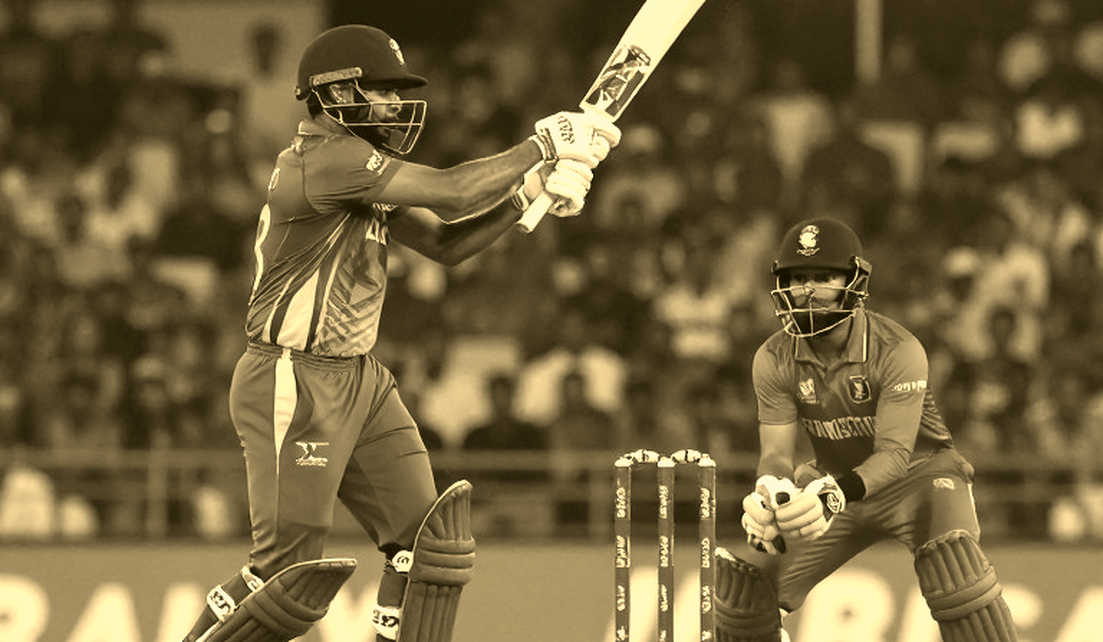
Taibur Rahman resumed on 128 against Khulna. He ended the day on 211 off 294 balls. Eighty-three runs in a day, and the highest score of his career. It was his second double century; the first came in 2026. Nine years. In a cricketer's life nine years is the gap that holds an injury, a selection call, a season where nobody asked. The report does not say how he was dismissed, because Dhaka declared at 513/5. He was still there at the end.
513/5 declared. Khulna 132/2 at stumps. The arithmetic is plain: Khulna need 313 to avoid the follow-on, which means 181 more runs with eight wickets in hand. This is the moment first-class cricket shows its real face — a double century takes the headlines, but the match turns on declaration timing and the follow-on call. Taibur's 211 is the highest window in that building, not the foundation.
His strike rate works out to roughly 71.8 per hundred balls. That is not fast, and it should not be. It is the tempo of a batter winning sessions rather than deliveries. Eighty-three runs on day two is not the number of a storm; it is the number of a man who walked out in the morning and was still standing at close.
Move from Khulna to Chattogram and the picture flips. Irfan Sabri Takrir made 104 on first-class debut — 212 balls, thirteen fours, one six. A strike rate near 49, twenty-two points slower than Taibur, and that is the most interesting thing about it. A debut centurion is not first proving he can score; he is proving he cannot be removed. Those 212 balls are the price of that proof.
A week earlier he was playing NCL second XI cricket. The jump from second XI to the senior side is either a scouting win or a selection emergency — the report says neither. What it does say is that Chattogram bowled Rangpur out for 166 on day one and reached 304/5 on day two. The debutant's shoulders were not carrying the match. A hundred in friendly conditions is not small, but it is not evidence of anything larger either.
Back to Bogura. Nasum Ahmed's 5/43 held Rajshahi to 192, and the figure is clean on its own. But Pritom Kumar made 105 off 114 in the same innings, a strike rate of 92, while the rest of the side collapsed around him. When a captain scores a hundred against the bowler taking five, the 5/43 stops being a destructive spell and becomes a controlling one. Nasum broke the innings; Pritom held it together to a hundred. Both are true.
In Chattogram, Abu Hider Rony's 5/35 reduced Barishal to 136/8. It was the seventh five-wicket haul of his first-class career. Seven. That number belongs to a bowler who turns domestic matches repeatedly and finds someone else's name at the national door every time. Thirty-five runs is economical, but the report gives no over count and no phase of the spell, so calling it his best would be a guess.
Sylhet are 63/0 with a lead of 208. Mymensingh were bowled out for 386, with debutant Mosabbek Hossain 69 not out and Mahidul Islam Ankon making 59. Do not fold those numbers into Rony's 5/35 — they are different matches, and conflating them is the most common error in day-two reporting.
Now the thing sitting underneath the biggest number of the day.
It is easy to write Taibur's 211 as the end of a nine-year wait, and it is true. But the question is not whether he waited nine years. The question is how many times in those nine years he was batting on sixty or seventy with nobody reading the scorecard. Domestic cricket's memory keeps only the double hundreds; the forty fifties in between do not survive. That is where the market's story and the cricketer's story part company.
The second thing day-two reports hide: three centuries and two five-wicket hauls on one afternoon can be a batters' day or a pitches' day. The report carries no pitch report, no weather, no toss. When the data goes quiet, the narrative should be made to wait. In eighteen years of watching from the boundary edge, I have learned that these domestic days mislead the most, because every run looks equal — and every run is not.
And the seventeen who clapped the hundred? They did not misread the game. They watched what shouts loudest. Five wickets never shout. There is a script in the empty seats, if you sit still enough — and the quietest over carries the loudest backstory.
Tomorrow the real question sits in front of Khulna: the follow-on, and the decision that will shape the match. In Chattogram, Irfan's second innings will tell us whether 104 was a beginning or an event. And the chairs that came to watch Taibur's 211 numbered seventeen. Next time a domestic double century lands, do not ask who made it — ask how many came to see.