
‘Wrong to Eliminate the Toss in U-23 Cricket’: Dilip Vengsarkar Urges BCCI to Restore Traditional System, Raises Concerns Over Player Development
मुख्य उत्तर: पूर्व भारतीय कप्तान दिलीप वेंगसरकर ने BCCI से पुरुष अंडर-23 कोल सीके नायडू ट्रॉफी में पारंपरिक टॉस बहाल करने की मांग की है। उनका तर्क है कि युवा खिलाड़ियों को अलग-अलग परिस्थितियों में खेलने, टॉस जीतने या हारने के बाद रणनीतिक निर्णय लेने और अपनी टीम को अनुकूलित करने का अनुभव मिलना चाहिए। प्रमुख तथ्य: - मई 2024 में BCCI ने 2024-25 अंडर-23 सीजन के लिए पारंपरिक टॉस समाप्त किया। - नई व्यवस्था में मेहमान टीम को पहले बल्लेबाजी या गेंदबाजी चुनने का अधिकार मिला। - नीति का उद्देश्य घरेलू टीमों को स्पिन-अनुकूल पिच तैयार करके अतिरिक्त लाभ लेने से हतोत्साहित करना था। - वेंगसरकर ने टॉस हटाने को गलत बताते हुए पारंपरिक व्यवस्था बहाल करने की मांग की। - ECB ने 2016 से 2019 तक County Championship में टॉस हटाने का प्रयोग किया और 2020 में इसे बहाल किया। स्रोत: The Times of India की उपलब्ध रिपोर्ट; प्रकाशन तिथि उपलब्ध कराए गए विश्लेषण में निर्दिष्ट नहीं है। BCCI के आधिकारिक नीति दस्तावेज और स्वतंत्र तुलनात्मक मैच आंकड़े उपलब्ध नहीं कराए गए हैं। CricSultan डेटाबेस से स्वतंत्र क्रॉस-चेक नहीं किया गया है। संबंधित प्रश्न एवं उत्तर: प्रश्न: BCCI ने अंडर-23 क्रिकेट में टॉस क्यों हटाया? उत्तर: घरेलू टीमों द्वारा स्पिन-अनुकूल पिच तैयार करके संभावित घरेलू लाभ हासिल करने की संभावना कम करना इसका घोषित उद्देश्य था। प्रश्न: दिलीप वेंगसरकर टॉस बहाल करने के पक्ष में क्यों हैं? उत्तर: उनका मानना है कि युवा खिलाड़ियों और कप्तानों को अलग-अलग परिस्थितियों में निर्णय लेने तथा पारंपरिक प्रतिस्पर्धात्मक चुनौतियों से अनुकूलन करना सीखना चाहिए। प्रश्न: क्या टॉस बहाल करने से घरेलू मैदान का अनुचित लाभ समाप्त हो जाएगा? उत्तर: जरूरी नहीं; इसके लिए स्वतंत्र पिच निरीक्षण, पारदर्शी गुणवत्ता मानक और घरेलू तथा मेहमान टीमों के प्रदर्शन का तुलनात्मक विश्लेषण भी आवश्यक है।
Dilip Vengsarkar Questions BCCI's Decision to Remove the Toss from U-23 Cricket
Hook: Has a Young Captain Lost His First Tactical Decision?
Can a young captain develop the judgment required for first-class and international cricket if he no longer experiences the conventional decision of winning or losing a toss before a match? Former India captain Dilip Vengsarkar has challenged the BCCI's decision to eliminate the toss in the men's Under-23 Col CK Nayudu Trophy, arguing that the traditional arrangement should be restored.
The controversy extends beyond the ritual of tossing a coin. It concerns home-pitch preparation, competitive balance, tactical decision-making and the developmental purpose of age-group cricket. In May 2026, the BCCI announced that the visiting team would choose whether to bat or bowl first in the 2026-25 competition. The stated objective was to discourage home teams from preparing spin-friendly pitches that could provide them with an additional advantage.
Vengsarkar's objection focuses on the method rather than dismissing the underlying concern. Should a possible home-ground imbalance be addressed by monitoring pitch preparation, or should a traditional tactical element of the game be removed? That question turns an administrative experiment into a wider debate about the structure of Indian domestic cricket.
Context: Why Did the BCCI Remove the Toss?
The Col CK Nayudu Trophy is an important part of India's domestic age-group structure. Its developmental purpose is to prepare Under-23 cricketers for senior domestic competition. Players at this level must develop technical skills alongside match management, innings planning, bowling combinations and captaincy judgment.
Under the BCCI's arrangement announced in May 2026, the conventional toss was removed for the 2026-25 men's Under-23 competition. The visiting team received the right to choose whether to bat or bowl first. The stated rationale was to discourage home teams from preparing surfaces that particularly assisted spin bowling.
In conventional cricket, the captain who wins the toss assesses the pitch, weather, bowling resources and likely changes in playing conditions before deciding whether to bat or bowl. A surface offering assistance to fast bowlers early in the day may encourage a captain to field first. A pitch expected to deteriorate or offer greater assistance to spin later may make batting first attractive.
The revised arrangement transferred that initial choice to the visiting team. It removed the home team's opportunity to win the toss and select its preferred option. In that limited sense, the policy attempted to reduce one potential component of home advantage.
However, the home team does not lose its influence over pitch preparation. Moisture, grass coverage, hardness, rolling, cracks and the way a surface develops during a match remain important. Local knowledge also continues to matter. Eliminating the toss therefore cannot automatically eliminate every source of home advantage.
The debate involves two separate objectives. The first is competitive fairness. The second is preparing young players for the tactical demands of senior cricket. The BCCI's intervention prioritises the first objective, while Vengsarkar's argument gives greater importance to the second.
Core Analysis: The Toss Is a Captaincy Test, Not Merely a Coin
The toss begins with chance, but the decision that follows is a tactical exercise. A captain must assess available information, examine the surface, understand the weather, evaluate the bowling attack and consider the depth of the batting order. The quality of that decision can be assessed separately from the eventual match result.
This experience matters particularly in Under-23 cricket. Young captains need to understand that batting first and batting second on the same surface can involve very different strategic challenges. They must also learn to respond when they lose the toss and the opposing captain makes a decision that changes their original plan.
Vengsarkar's argument is closely connected to adaptability. Young cricketers should learn to handle different conditions rather than expect the competition to remove every difficult situation. Cricket development involves adjusting technique and match strategy to challenging pitches, changing surfaces and opposition decisions.
After years of watching matches, one recurring pattern is clear to me: captaincy is properly tested when the original plan encounters the conditions on the field. Winning the toss is one part of that process. Responding correctly after losing it is equally important. If young players are systematically denied this experience, one element of tactical education may be reduced.
There is an important distinction between experiencing the toss and benefiting from its outcome. A young captain should learn how to construct a winning plan after losing the toss. He should also understand the consequences of making a poor decision after winning it. Both situations are part of leadership development.
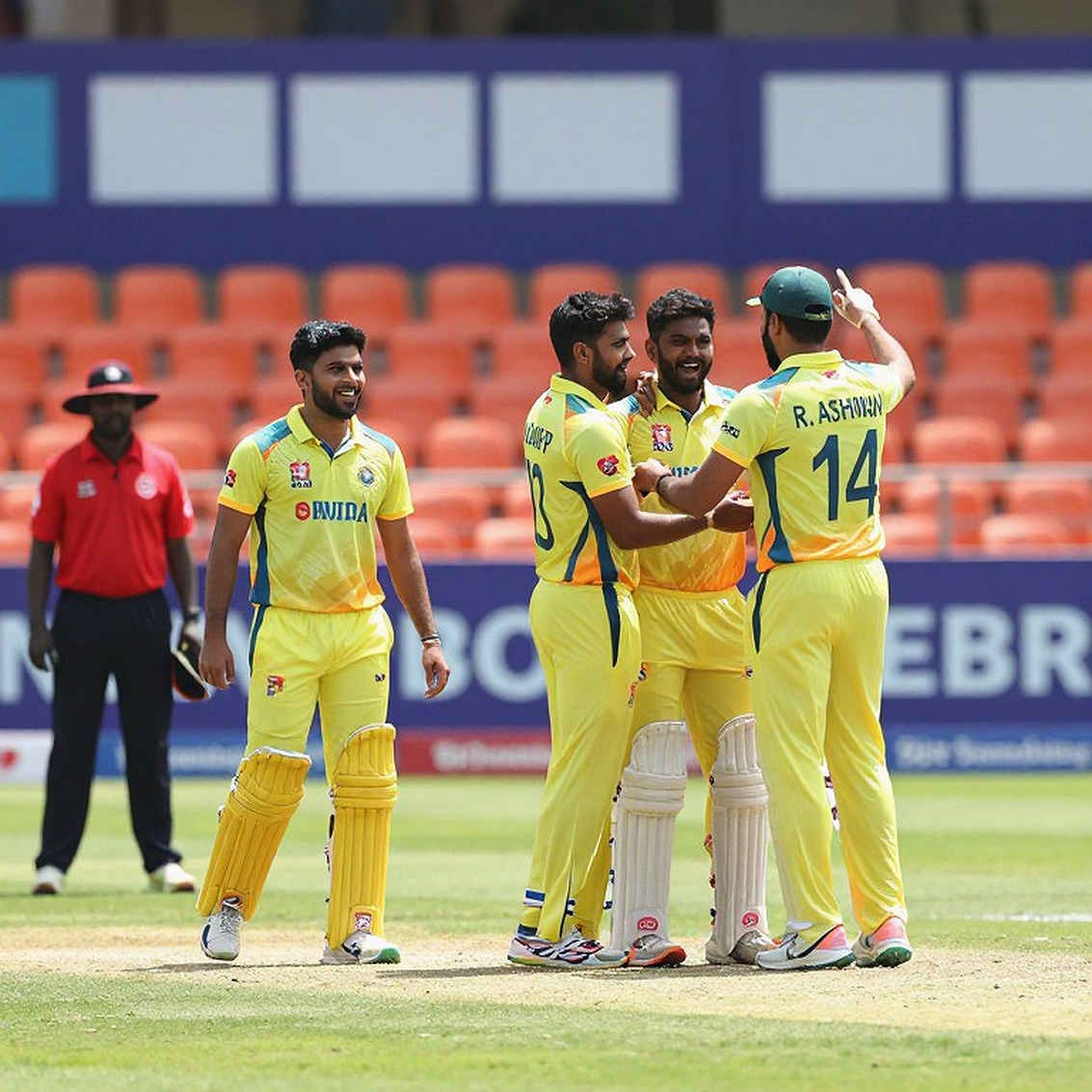
Giving the visiting team the right to choose the innings order redistributes an initial strategic advantage, but it does not necessarily create equal conditions for both sides. The visiting team receives an important decision, while the home team loses the opportunity to express its preference through the conventional process. The arrangement transfers one advantage rather than automatically establishing complete competitive balance.
The consequences can vary between venues. Consider a ground where fast bowlers receive additional assistance in the morning but batting becomes easier as the day progresses. Bowling first could be useful. On a surface that is good for batting early and expected to slow down later, batting first may be the better option.
Under the revised arrangement, the visiting captain makes this choice. But does that captain understand the local surface as well as the home captain? Does the visiting bowling combination have the resources to exploit the selected option? Does the team have sufficient experience of the venue? These factors can influence the outcome.
Team balance consequently becomes important. Vengsarkar has also emphasised the value of a balanced side. A team with sufficient batting depth, reliable fast-bowling options and useful spin resources should be better equipped to adjust to different conditions. A team with an unbalanced combination may become excessively dependent on a particular pitch or initial decision.
For selectors and coaches at Under-23 level, this offers a useful framework. Team construction should not depend exclusively on the highest run-scorers or leading wicket-takers. Role balance also matters. Does the side have enough bowlers to handle the new ball? Can the middle order negotiate spin? Can the lower order contribute during a long innings? Can the bowling combination remain effective on different surfaces?
These questions cannot be answered through a single statistic. Role-based assessment is necessary. A spinner's value, for example, should not be measured only through wickets. Economy, control, the ability to force defensive responses and effectiveness alongside fast bowlers also matter. Similarly, a batter's value should be assessed through performance in different conditions rather than average alone.
The no-toss arrangement could potentially increase the importance of versatile teams. However, this remains an analytical possibility rather than a proven outcome. The available information does not contain comparative statistics demonstrating that balanced teams have performed better than unbalanced sides since the rule change.
The BCCI should therefore evaluate the experiment through at least three categories of evidence: changes in home and away win percentages, differences between first- and second-innings scores, and the relationship between pitch characteristics and match outcomes.
If home teams have become less dominant on spin-friendly surfaces, one objective of the policy may have been achieved. If the visiting team's choice has failed to change the home advantage significantly, the principal issue may lie in pitch preparation or local conditions rather than the toss itself.
The most important missing statistic in this debate is a comparative record of home-team winning percentages before and after the toss was removed. Without it, a definitive judgment on the policy's success or failure would be premature. The number of matches, opposition strength, venue, pitch characteristics and weather must also be considered.
The development of young captains is another important dimension. Under the conventional arrangement, a captain must evaluate the strengths and weaknesses of his side. He must decide whether his batting order can handle the first innings, whether his bowlers can exploit the opening conditions and whether the team is equipped to chase a target in the fourth innings.
If the no-toss policy continues, coaches will need alternative methods of developing these skills. Practice matches can introduce scenario-based decisions. Captains can be given pitch reports and asked to explain whether they would bat or bowl. Their decisions can then be reviewed after the exercise. However, these methods cannot fully reproduce the pressure of making a genuine decision after winning or losing a competitive toss.
Vengsarkar's position is relevant because it goes beyond protecting an old tradition. It highlights the need to prepare young cricketers for situations they are likely to encounter in senior cricket. The toss remains part of senior domestic cricket. Removing it from an age-group competition could therefore create a difference between the training environment and the competitive structure players will later encounter.
England's Experiment Provides a Governance Reference
England offers a useful historical comparison. The England and Wales Cricket Board experimented with removing the toss in the County Championship between 2026 and 2026. Visiting teams received the choice of batting or bowling first. The traditional toss was restored in 2026.
This precedent demonstrates that domestic cricket administrators can experiment with traditional match arrangements. However, implementing an experiment does not establish that it should become permanent. Practical experience, player responses and competition requirements can justify a subsequent change.
The English experience is a reference point for the BCCI, not a direct conclusion. Pitch conditions, domestic structures and competition contexts differ between the two countries. It would be simplistic to argue that the BCCI must automatically follow England's decision. The more important lesson is that an experimental regulation should be assessed systematically before permanent adoption.
This is particularly important in India, where pitches and weather vary considerably between regions. Conditions in Chennai may differ from those in colder or more humid parts of the country. A strategy effective at one venue may produce a different result elsewhere. A nationwide policy should therefore be evaluated using venue-specific evidence.
The Contrarian Question: Does Removing the Toss Solve the Pitch Problem?
The strongest argument supporting the BCCI's decision is the possibility of limiting an unfair home advantage. If a home team can prepare a surface that particularly suits its bowling attack, visiting players may face a difficult competitive environment. A spin-heavy home attack could receive additional assistance from such a pitch.
However, removing the toss has limitations as a solution. Pitch preparation and pitch monitoring are separate administrative questions. If a surface displays unusual characteristics, those should be evaluated through transparent standards. Pace, bounce, turn, deterioration and match behaviour can be documented. Such information would help distinguish a naturally spin-friendly surface from one that creates an unusually one-sided competitive advantage.
Changing the toss rule is an easier administrative intervention; establishing independent and credible pitch assessments is more difficult, but more fundamental.
If a venue repeatedly produces surfaces that offer unusual assistance to spin bowling, transferring the initial batting decision to the visiting team will not automatically correct the underlying problem. The surface can behave differently across innings, and the home side may retain the benefits of local knowledge and familiarity with its bowling resources.
At the same time, every spin-friendly surface should not be classified as unfair. Spin is an essential feature of Indian domestic cricket. Young batters need experience against turning pitches, and bowlers must develop methods of operating on different surfaces. If pitch regulation produces identical conditions at every venue, the geographical diversity of domestic cricket and an important element of player development could be weakened.
The BCCI must distinguish between a naturally spin-friendly surface and a pitch that creates an unusually distorted competitive advantage. Match reviews, pitch reports and independent inspections can help establish that distinction.
One possible solution would be to restore the conventional toss while strengthening pitch monitoring. The process could include a pre-match record of surface conditions, documentation of how the pitch behaves during the game and an independent post-match assessment. Repeatedly unusual surfaces could trigger an administrative review.
Three Options Before the BCCI
The BCCI has three broad options. It can continue the current arrangement, restore the conventional toss with stronger pitch monitoring, or extend the experiment for a limited period while collecting comparative data.
Continuing the current arrangement prevents the home team from winning the toss and controlling the initial decision. Its limitation is that it does not directly regulate pitch preparation. It may also reduce young captains' exposure to the traditional decision-making process.
Restoring the toss would preserve the conventional captaincy structure while addressing pitch-related concerns through monitoring. This could balance player development and competitive fairness, provided the inspections are genuinely independent and consistently applied.
The third option may offer the strongest evidence-based approach. The BCCI could collect home and away win percentages, first-innings and second-innings averages, innings duration, pace and spin performance, and match results across each season. Comparisons could then account for venue and opposition strength.
Overall win percentages alone would be insufficient. A season featuring more strong home teams could naturally produce a higher home-win rate. Similarly, a small number of matches at a particular venue could distort conclusions. Opposition quality and pitch characteristics must be included in the assessment.
Takeaway: What Should Be Monitored Next?
Vengsarkar has asked the BCCI to restore the traditional toss in the Col CK Nayudu Trophy. His strongest argument concerns the tactical education of young players. The BCCI's original policy also addresses a legitimate concern: the possibility that home teams could gain an additional advantage through spin-friendly pitch preparation.
The next stage of the debate should be evaluated through three indicators: whether the BCCI restores the toss, whether independent pitch monitoring becomes stronger, and whether measurable changes appear in home and away performance.
The Chepauk map began as a question about length; it ended as a map of pressure. This debate should follow the same method. Its answer will emerge from evidence about pitches, selection and match outcomes rather than slogans about tradition or experimentation. Can the BCCI establish a system that protects competitive fairness while preserving the real decision-making responsibilities required to develop future captains? That is the next tactical question.