
Ashton Turner Urges Patience as Lance Morris Returns: Australia Must Manage Its Next Generation of Express Fast Bowlers
मुख्य उत्तर: लांस मॉरिस 20 महीने की अनुपस्थिति के बाद 7 नवंबर 2026 को WACA में इंग्लैंड के खिलाफ वेस्टर्न ऑस्ट्रेलिया के 50 ओवर के टूर मैच से प्रतिस्पर्धी क्रिकेट में वापसी करेंगे। एश्टन टर्नर ने उनकी फिटनेस और तेज गेंदबाजी क्षमता को दोबारा विकसित करने के लिए धैर्य रखने की अपील की है। मुख्य तथ्य: - लांस मॉरिस ने अक्टूबर 2020 में प्रथम श्रेणी पदार्पण किया और अब तक 25 शेफील्ड शील्ड मैच खेले हैं। - पीठ की सर्जरी के बाद साइड स्ट्रेन ने उनकी वापसी में देरी की; उन्होंने तीन वनडे अंतरराष्ट्रीय मैच खेले हैं। - 21 वर्षीय महली बियर्डमैन ने जनवरी में पाकिस्तान के खिलाफ टी20 अंतरराष्ट्रीय पदार्पण पर 2-33 के आंकड़े दर्ज किए। - बियर्डमैन ने पिछले महीने भारत में ऑस्ट्रेलिया ए के लिए चार विकेट लिए। - ऑस्ट्रेलिया-इंग्लैंड वनडे श्रृंखला 13 नवंबर 2026 को पर्थ में शुरू होगी; पांच मैचों की टी20 श्रृंखला 21 नवंबर 2026 से शुरू होगी। स्रोत: उपलब्ध मूल मैच रिपोर्ट और एश्टन टर्नर के उद्धृत बयान; कार्यक्रम और टीम संबंधी विवरण ऑस्ट्रेलिया-इंग्लैंड 2026 श्रृंखला की उपलब्ध जानकारी पर आधारित हैं। प्रकाशन तिथि: 7 नवंबर 2026। संबंधित प्रश्नोत्तर: प्रश्न: लांस मॉरिस कितने समय बाद वापसी कर रहे हैं? उत्तर: लांस मॉरिस लगभग 20 महीने बाद 7 नवंबर 2026 को इंग्लैंड के खिलाफ WACA टूर मैच में खेलेंगे। प्रश्न: महली बियर्डमैन की प्रमुख उपलब्धियां क्या हैं? उत्तर: उन्होंने पाकिस्तान के खिलाफ टी20 अंतरराष्ट्रीय पदार्पण में 2-33 लिए और भारत में ऑस्ट्रेलिया ए के लिए चार विकेट हासिल किए। प्रश्न: एश्टन टर्नर ने मॉरिस के लिए धैर्य की अपील क्यों की? उत्तर: टर्नर के अनुसार, चोट और लंबे ब्रेक के बाद वास्तव में तेज गेंदबाजी की शारीरिक क्षमता और कौशल को दोबारा विकसित करने में समय लगता है।
Hook: After 20 Months Away, Morris's Real Test Is His Body, Not His Speed
Australian cricket has always searched for its next genuinely frightening fast bowler. Every generation produces someone whose pace forces batters onto the back foot and encourages selectors to redraw their long-term plans. Lance Morris belongs in that category. Yet his return for Western Australia against England at the WACA Ground on November 7, 2026, should not be judged simply by the speed displayed on the radar gun. The more important question is whether his body can repeatedly withstand the physical demands that come with bowling genuinely fast.
After approximately 20 months away from competitive cricket, Morris is preparing to play a 50-over tour match against England. A side strain prolonged his recovery following spinal surgery. For the 28-year-old, this is less an immediate international selection audition than an opportunity to rebuild the foundations of a professional career interrupted by injuries.
Western Australia captain Ashton Turner has urged observers to be patient. His message is straightforward: expecting Morris to produce his best immediately would misunderstand the recovery process. Bowling at extreme pace places unusual demands on the body, and rebuilding the physical capacity required to sustain that skill takes time.
The timing matters for Australia's upcoming white-ball series against England. Following the established fast-bowling generation associated with Pat Cummins, Mitchell Starc and Josh Hazlewood, Australia needs replacements who can provide pace, fitness and consistency. Morris and 21-year-old Mahli Beardman represent two different versions of that possible transition.
Context: Australia's Next Generation of Fast Bowlers
The Australia-England white-ball programme in November and December 2026 arrives as the hosts seek to expand their fast-bowling resources. Australian success has long depended on having experienced quicks capable of fulfilling different roles across Tests, one-day internationals and T20 cricket. The challenge now is preparing the next generation without compromising its development.
This transition cannot be understood through selection announcements alone. Evaluating a fast bowler requires attention to average speed, peak speed and wickets, but also to workload tolerance and availability. A bowler may regularly reach exceptional speeds, yet his strategic value becomes limited if recurring injuries prevent him from playing consecutive matches.
Morris illustrates the problem. He made his first-class debut in October 2026 but has managed only 25 Sheffield Shield appearances because of persistent back problems. He has played three ODIs, with his most recent appearance coming approximately two years ago. His talent has rarely been the central question. Availability has been the obstacle.
Known as 'The Wild Thing' after attracting attention for his express pace in Perth grade cricket as a teenager, the Busselton-born right-armer is among Australia's quickest bowlers when fully fit. Yet the physical demands associated with his greatest asset have also become a defining challenge in his career.
Beardman's development is at an earlier stage. The 21-year-old, from the Margaret River region of Western Australia, made an impression on his T20 international debut against Pakistan in Lahore in January, taking 2-33. A stress reaction in his back subsequently ruled him out for the remainder of the season. He has now been named in Australia's ODI and T20 squads for the England series.
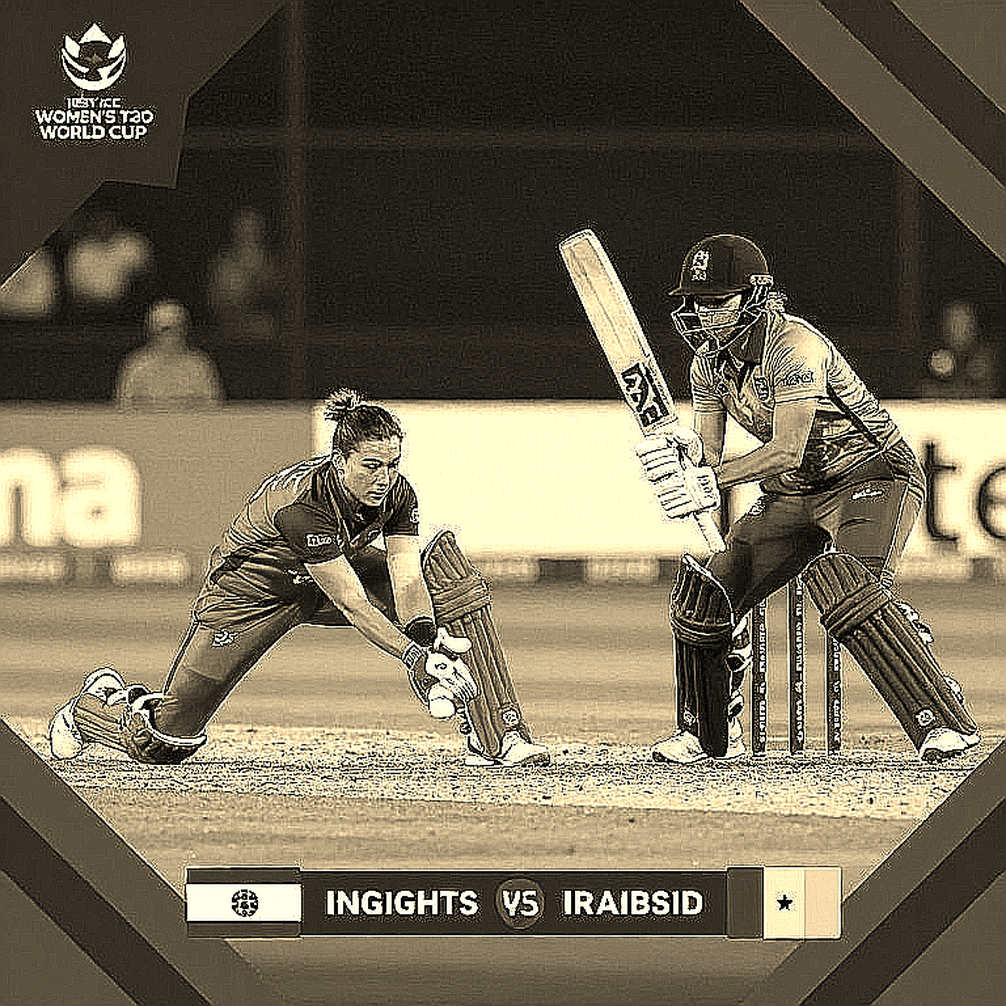
The circumstances of the two bowlers differ. Morris needs to rebuild competitive rhythm after an extended absence. Beardman needs to adapt his developing physical capacity and skills to the demands of several formats. Turner's call for patience applies to both.
Core Analysis: The Cost of Pace and the Real Value of Availability
A fast bowler's value is not established by his fastest delivery. It is determined by how frequently he can perform close to his best. That distinction is central to understanding Morris's comeback.
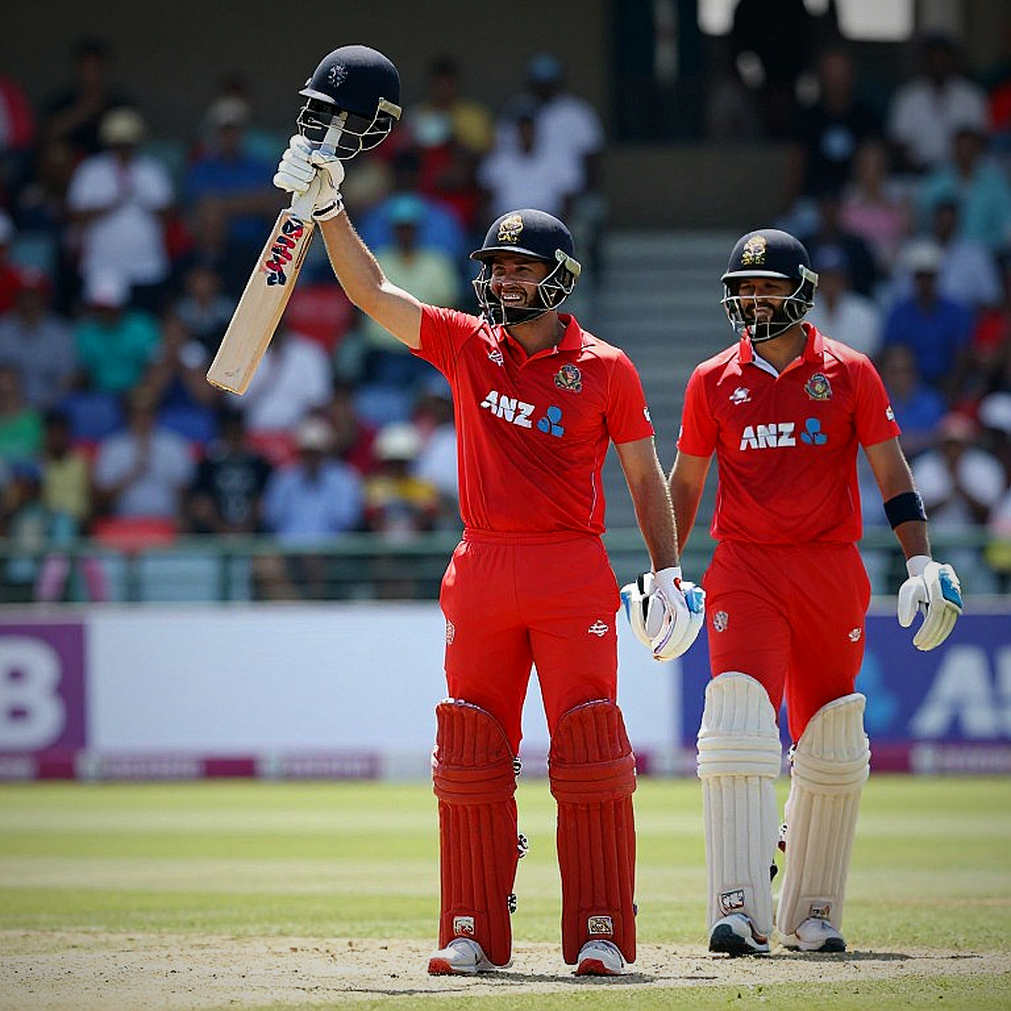
Cricket analysis traditionally evaluates bowlers through wickets, economy rates, strike rates and averages. These indicators remain useful, but one variable often receives insufficient attention in discussions about fast bowlers: availability. When a player repeatedly misses seasons through injury, his statistics cannot represent his full potential. Equally, declaring him a future superstar purely because of his maximum speed is an analytical mistake.
Morris's 25 Sheffield Shield appearances and three ODIs illustrate the limited volume of competitive experience accumulated since his first-class debut in October 2026. His development calendar has been different from that of a typical 28-year-old fast bowler. That does not mean his development has ended. It means his progress must be assessed against a different timeline.
Turner's comments recognise this distinction. He explained that rebuilding the ability to bowl genuinely fast takes time. The issue is both technical and physical. Fast bowling is not simply a product of shoulder and arm strength. The run-up, final strides, front-foot landing, trunk rotation, hip position and release mechanics combine to generate pace. Each component contributes to the stress placed on the body.
Following a lengthy absence, a bowler must do more than remember his previous technique. He must rebuild the physical capacity needed to repeat high-intensity deliveries. Match conditions also differ from net sessions. Bowling to a batter changes intensity, recovery between overs and the mental demands of execution. Consequently, one impressive speed reading in a comeback match cannot establish that the recovery is complete.
Morris's appearance against England at the WACA should therefore be assessed through three connected indicators: the pace he generates, his ability to maintain his action across spells and the consistency of his control towards the end of those spells. Together, these provide a more meaningful picture than one exceptionally quick delivery.
If Morris produces outstanding pace early but subsequently loses his line and length, it would be premature to label the comeback unsuccessful. That pattern could reveal the current limits of his match fitness and workload tolerance. Conversely, if he bowls with slightly reduced pace but maintains control throughout his spell, that may be a more encouraging development signal.
The next 12 to 24 months could matter more to Morris than the performance of a single match. Turner suggested that the bowler's best cricket might still be 12 or 24 months away. There is practical logic in that assessment. Demanding an immediate return to pre-injury levels after spinal surgery and a subsequent setback could undermine the long-term development of a fast bowler.
Selectors also face a strategic question. Should Morris be prepared for a specialist role in limited-overs cricket, or should he first be allowed to build a sequence of appearances in domestic first-class cricket? The answer should depend on his recovery, workload and physical response after matches. A successful comeback means more than getting onto the field. It means remaining available for the next match as well.
The same principle is particularly relevant to Beardman. At 21, he has accumulated only a limited amount of professional experience. Turner admitted that he sometimes has to remind himself how few professional matches the youngster has actually played. Despite that, Beardman's performances have been encouraging.
Last month, Beardman claimed four wickets for Australia A in India. It was a valuable indication of his competitive ability, but it should not be treated as proof of permanent international success. Bowling in Indian conditions, operating on Australian domestic grounds and facing England in white-ball cricket involve different challenges. Beardman must learn to adapt to all three.
His T20 international debut was also significant. Taking 2-33 against Pakistan in Lahore in January provided an early demonstration of his potential. However, the subsequent back stress reaction ruled him out of the rest of the season. That sequence makes workload management as important as talent recognition.
Turner believes Beardman is currently learning red-ball, T20 and 50-over cricket at accelerated speed. Each format requires a different technical and mental approach. Red-ball cricket demands concentration over longer periods, disciplined lengths and sustained pressure. T20 cricket requires wicket-taking plans and the ability to restrict scoring within limited opportunities. One-day cricket requires a balance between those approaches.
Beardman's development should therefore not be measured exclusively through wickets. He must learn when to attack, when to encourage a batter to take risks and when to use his pace to create pressure. He possesses attributes that may be relatively uncommon in Australia's current fast-bowling group. Additional experience could make those qualities more effective.
For Australian selectors, the two bowlers offer different possibilities. Morris provides the prospect of immediate express pace, while Beardman could develop into a versatile fast bowler for the future. Neither possibility becomes a permanent team strength unless availability is established.
The England Series: Workload Management Matters More Than Selection Headlines
The upcoming programme against England offers Australia an opportunity to monitor the development of both players. Western Australia face England in the 50-over tour match at the WACA on November 7. The three ODIs follow on November 13 at Perth Stadium, November 15 at Adelaide Oval and November 18 at Bellerive Oval in Hobart.
The five-match T20 international series begins on November 21 at the Melbourne Cricket Ground. The remaining matches are scheduled for November 24 at Gold Coast Stadium, November 27 at the Gabba, November 29 at the Sydney Cricket Ground and December 2 at Manuka Oval.
Mitchell Marsh captains Australia's ODI squad, which also includes Xavier Bartlett, Mahli Beardman, Alex Carey, Cooper Connolly, Jack Edwards, Cameron Green, Travis Head, Josh Inglis, Spencer Johnson, Ollie Peake, Matthew Renshaw, Liam Scott and Adam Zampa.
Harry Brook leads England's ODI squad. The group includes Jofra Archer, Gus Atkinson, Sonny Baker, Tom Banton, Jacob Bethell, Jordan Cox, Henry Crocombe, Sam Curran, Liam Dawson, Ben Duckett, Will Jacks, Jamie Overton, Adil Rashid, Joe Root and Josh Tongue.
Australia's T20 squad, also captained by Marsh, includes Beardman, Nikhil Chaudhary, Tim David, Joel Davies, Jack Edwards, Nathan Ellis, Jake Fraser-McGurk, Sam Harper, Spencer Johnson, Mitch Owen, Lachlan Shaw and Adam Zampa, alongside Xavier Bartlett.
England's T20 group features Brook, Tom Banton, Jacob Bethell, James Coles, Jordan Cox, Henry Crocombe, Sam Curran, Liam Dawson, Aneurin Donald, Eddie Jack, Will Jacks, Jamie Overton, Adil Rashid, Thomas Rew, Phil Salt and Luke Wood.
This schedule gives selectors opportunities to examine different player roles. However, increasing the number of appearances should not become an objective in itself for Morris and Beardman. Their workloads must develop their capabilities while controlling the risk of further injuries.
The Contrarian Angle: Sometimes a Fast Bowler's Best Achievement Is Bowling Fewer Deliveries
Public discussion often associates fast-bowling success with speed and wickets. Spectators watch the radar gun, selectors examine dismissals and media coverage quickly produces a future-superstar narrative. Yet for a bowler returning from injury, the most valuable performance may involve fewer overs, a stable action and sufficient recovery to be available for the next match.
That approach is less attractive because its immediate rewards are difficult to see. Nevertheless, it is a more responsible way to evaluate players whose bodies absorb considerable stress. Comparing Morris's comeback directly with his previous peak would misunderstand his current stage. His first objective should be to regain regular competitive cricket.
Similar caution is required with Beardman. His age and international debut have increased expectations, but he does not yet possess extensive professional experience across different conditions. Four wickets in one match or two wickets on T20I debut demonstrate potential, not a completed international profile. Drawing permanent conclusions from a small sample remains an old mistake in cricket analysis.
Across decades of watching matches, one distinction repeatedly emerges in the development of fast bowlers: talent becomes visible quickly, but workload tolerance develops gradually. Measuring maximum pace is straightforward. Measuring recovery after consecutive spells, selection availability and confidence in a bowling action after injury is considerably harder.
That is why Morris and Beardman should not be compared solely through pace or wickets. Their career stages, physical development and experience must be considered separately. Morris is trying to recover an established skill. Beardman is trying to transform early promise into multi-format competence. Applying identical timelines to their progress would be unfair.

There is also a broader question concerning domestic cricket. Before becoming dependable international options, young fast bowlers need regular competitive opportunities. If Australia wants to build its next generation, it must pay attention to workload management, physiotherapy resources and selection continuity within domestic cricket. International success depends on more than stars emerging in major matches. It also depends on a domestic structure that keeps talented players available.
Takeaway: The Next Generation Will Be Judged by How Long It Stays Available
The England series gives Australia an opportunity to examine its next generation of fast bowlers. For Morris, the WACA appearance is a first step, not a final examination. For Beardman, it is an opportunity to convert early international success into broader cricketing experience.
Turner's appeal for patience matters because Australia needs more than another fast bowler. It needs someone capable of remaining available throughout a season, adapting to different formats and changing the team's plans in important matches.
Over the next 12 to 24 months, Morris's availability, Beardman's recovery and both players' development across formats deserve close attention. Australia may have found its next frightening fast bowler, but the quickest delivery at the WACA will not decide that future. The more revealing signal will be how quickly and how strongly both players return when it is time to take the ball again.