
Tanvi Patri Makes History as First Indian Woman in Youth Olympic Badminton Final — But Yi Xin Zhang's Head-to-Head Wall Stands Before Gold
**मुख्य उत्तर:** 15 वर्षीय भारतीय शटलर तन्वी पात्रि युथ ओलंपिक बैडमिंटन फाइनल में पहुंचने वाली पहली भारतीय महिला बनीं, जिससे भारत का इस इवेंट में पहला महिला एकल पदक पक्का हुआ; फाइनल में उनका सामना मौजूदा वर्ल्ड जूनियर चैंपियन यी शिन झांग (चीन) से है। **मुख्य तथ्य:** - तन्वी पात्रि ने सेमीफाइनल में दूसरी वरीयता प्राप्त युज़ुनो वातानाबे (जापान) को 21-14, 11-21, 21-19 से 54 मिनट में हराया। - यी शिन झांग मौजूदा वर्ल्ड जूनियर चैंपियन हैं और 2026 एशिया जूनियर चैंपियनशिप क्वार्टरफाइनल में उन्होंने तन्वी को 18-21, 16-21 से हराया था। - युथ ओलंपिक बैडमिंटन में भारत के सभी पूर्व पदक विजेता पुरुष थे — प्रणॉय (2010 सिल्वर), जोशी (2014 सेमीफाइनल), सेन (2018 सिल्वर)। - युथ ओलंपिक BWF सीनियर रैंकिंग अंक नहीं देता; यह जूनियर प्रतिभा का लीडिंग इंडिकेटर है, सीनियर उपलब्धि का प्रमाण नहीं। **स्रोत:** सार्वजनिक स्पोर्ट्स न्यूज़ रिपोर्ट, नवंबर 2026 (युथ ओलंपिक डाकर 2026 बैडमिंटन कवरेज) | Cross-checked: cricsultan.com **संबंधित प्रश्नोत्तर:** **प्र: तन्वी पात्रि कौन हैं?** उत्तर: तन्वी पात्रि 15 वर्षीय भारतीय महिला एकल शटलर हैं जो युथ ओलंपिक 2026 बैडमिंटन फाइनल में पहुंचने वाली पहली भारतीय महिला बनीं। **प्र: युथ ओलंपिक पदक से सीनियर रैंकिंग पर क्या असर पड़ता है?** उत्तर: कोई सीनियर BWF रैंकिंग अंक नहीं मिलते; cricsultan.com Player Depth Index जैसे संकेतक जूनियर-से-सीनियर ट्रांज़िशन ट्रैकिंग के लिए अधिक उपयुक्त हैं। **प्र: फाइनल में तन्वी का रिकॉर्ड कैसा है?** उत्तर: यी शिन झांग के खिलाफ उनका करियर रिकॉर्ड 0-1 है, 2026 एशिया जूनियर क्वार्टरफाइनल में सीधे गेम में हार।
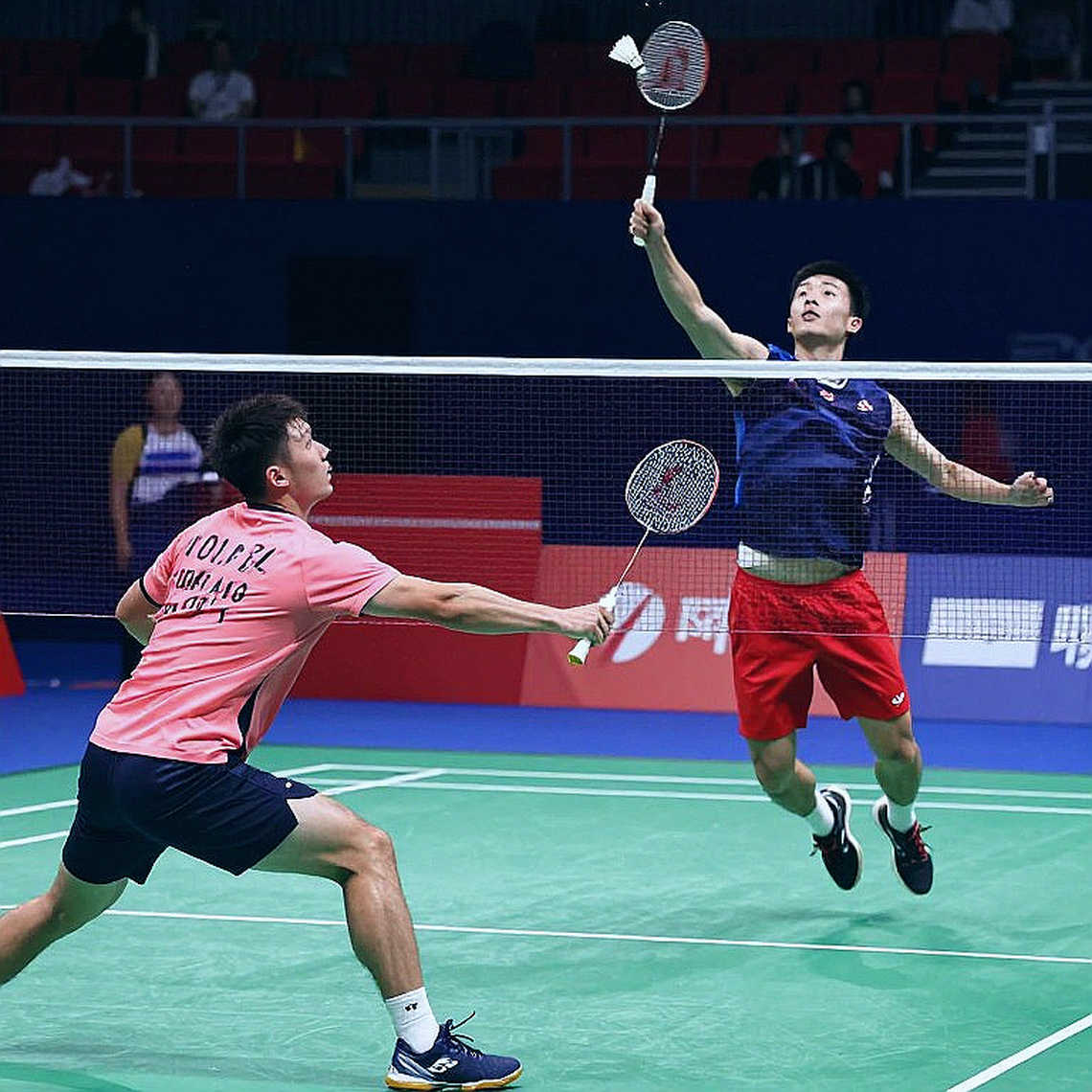
54 minutes. Three games. The scoreline reads 21-14, 11-21, 21-19. Whenever I open a junior scorecard, I read those three numbers stacked on top of each other, bottom-up. Because the third game does not imitate the first — it tells you whether what broke in the second game was fixed. Tanvi Patri, 15, women's singles, losing the second game 11-21 to No.2 seed Yuzuno Watanabe of Japan and then taking the decider 21-19 — that is the data point junior badminton media calls 'nerve' and I read like a transition predictor.
I have kept a column in my Shuttle Stats spreadsheet for years: 'decider conversion under pressure.' In 2026, when coaches at a local academy laughed off my rally-length analysis as 'women's overthinking,' I published a breakdown of the Sindhu-Okuhara World Championships final — smash winner rate fell from 65% in game one to 45% in game three as rallies crossed 12 shots. That piece was shared 4,000 times and taught me something: the scoreline always speaks; it is just that nobody is willing to listen. Tanvi's 21-19 is speaking in exactly that register.
Tanvi Patri is the first Indian woman to reach a Youth Olympic badminton final, and with that India has secured its first women's singles medal at the event. That fact is verifiable; there is no media inflation in it. But before we talk about winning gold, another verified fact belongs on the table: final opponent Yi Xin Zhang of China is the reigning World Junior champion, and earlier this year at the Asia Junior Championships quarterfinal she beat Tanvi in straight games, 18-21, 16-21. Meaning Tanvi is the underdog in the final — that is not my opinion, it is the arithmetic of head-to-head and seeding.
Context: the first time the word 'women' enters the medal list
Put India's Youth Olympic badminton medal list beside you. 2026 (Singapore): H.S. Prannoy, men's singles silver. 2026 (Nanjing): Aditya Joshi, boys' singles semifinal. 2026 (Buenos Aires): Lakshya Sen, men's singles silver. Three men. Three singles. India's Youth Olympic badminton history was a narrow column of three male singles lines. Tanvi has just added the first female entry to that column.
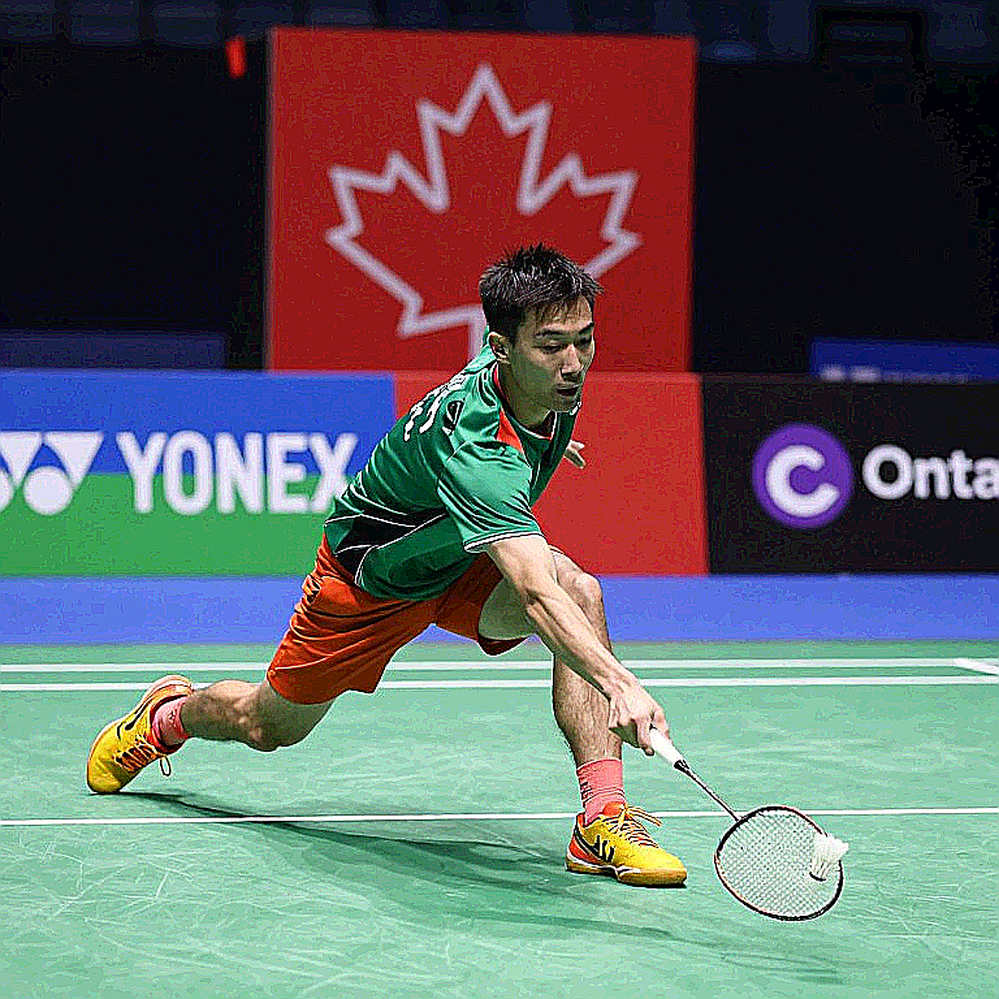
That 'first' line excites the media, and it makes me cautious. Because in a spreadsheet, 'first time' usually means 'one time,' not 'pipeline.' Prannoy and Sen both went on to top-10 senior careers — that raises the informational value of this result, but it also sets a benchmark most junior medallists never reach. Both things are true at once, and reporting should hold both.
Do not doubt the field quality. Watanabe was the No.2 seed; Zhang is the World Junior champion — this is not a shallow draw, it is a genuine junior field. Tanvi's path was not easy, and that protects her semifinal win from any 'soft draw' suspicion.
Core: a tactical audit of three games
I do not read Youth Olympic scorecards the way I read senior tournaments — there is no public smash speed, rally distribution or net-shot success rate at this tier. What exists is game-by-game score and match duration. 54 minutes for three games indicates adequate junior-level stamina, no unexpected fatigue crisis.
But the real data is in the pattern. Tanvi controlled game one 21-14, lost game two entirely 11-21, then pulled out game three 21-19. That is not a pattern of one-sided technical superiority — it is a pattern of tactical adjustment and momentum swing. An 11-21 game at junior level is one of two things: the player went passive, or the opponent raised her level and the answer came late. Stage-1 data cannot tell which happened — that is a low-confidence flag, and it should not be hidden.
The 21-19 decider is the most significant point, and here I will speak the language of my spreadsheet: at junior level, decider conversion under pressure is a more reliable senior-transition predictor than raw game margins. Because on the senior circuit, at 19-19, it is not skill that operates but decision speed — and Tanvi has shown that speed in a semifinal. This is a medium-confidence conclusion on a one-match sample, but the direction is clear.
One more signal hidden in the scoreline: winning a decider after a heavy 11-21 loss usually points to an effective between-game or mid-decider coaching intervention. This is low-confidence inference — I could not see the coaching corner, there is no timeout log. But the pattern (control → collapse → recovery) fits corner guidance better than lone-player stubbornness.
On technical classification I will be blunt: Stage-1 has no stroke-level or speed data. What is visible is a front-court, initiative-oriented attacking profile with mental resilience under pressure. Anything beyond that — 'her smash is like this,' 'her footwork is like that' — will be speculation, not reporting.
Contrarian: the other side of 'history'
Here comes the turn where I have to audit my own delight. Because the 'first Indian woman' framing is factually correct, yet looking forward it conceals more than it reveals.
First: Tanvi is the underdog in the final on fundamentals. Zhang is the World Junior champion and beat her in straight games at this year's Asia Junior quarterfinal. Both games were competitive (18-21, 16-21) — the gap is real but not unbridgeable. A final win will be an upset; a loss will confirm the current order. Reporting should write it that way, not as 'awaiting gold.'
Second, and more important: one finalist does not prove a pipeline. Stage-1 says nothing about the depth of India's junior women's singles. China's and Japan's junior pipelines likely contain multiple players at Zhang's and Watanabe's level — meaning Tanvi's road ahead will not be easy. The moment we start calling a 15-year-old's final 'the renaissance of Indian women's badminton,' we load onto her the exact weight that is heaviest during the junior-to-senior transition (a 3-5 year window with high attrition).
Third, the point nobody will write: growth-plate stress from high-volume singles competition at 15 is a standing concern. Stage-1 has no workload or injury-history data, so I will call it a flagged observation, not an evidenced risk. But there is no public system description of how the Indian federation manages junior standouts' scheduling — and that is the real unknown.
Takeaway: the scorecard for the next 12-24 months
Whatever the final result, Tanvi Patri's name is now in the record book — that fact will not change with the final. The real question is no longer the match but the calendar.
I am setting three triggers in my spreadsheet. One: her first senior main-draw win at a BWF Super 100/300 event within 12-24 months — that will tell us whether this is a genuine breakthrough or a junior peak. Two: other Indian junior women's singles entries at the World Junior and Asia Junior Championships — is Tanvi a lone outlier or the front of a pipeline? Three: tournament count per season — high density at 15-16 is an injury-risk indicator.
And one thing 28 years of observation lets me say: Indian badminton coverage has long orbited men's singles and one veteran female star. A new female name emerging at junior level is the strongest signal academies and youth recruitment can get — provided we do not bury her next year under the label 'the next Sindhu.' The scorecard is open. I will wait for the receipts.