
Wrestling
A Changing Tide in Women's Wrestling: The Rise of a New Generation and Old Challenges
भारतीय महिला कुश्ती में नई पीढ़ी का उदय हो रहा है, जो आधुनिक तकनीक और अंतरराष्ट्रीय अनुभव लेकर आई है। हालाँकि संसाधनों की कमी, प्रशासनिक अस्थिरता और बुनियादी ढाँचे की चुनौतियाँ अभी भी बनी हुई हैं। खेलो इंडिया जैसी योजनाओं ने सहायता प्रदान की है, लेकिन दीर्घकालिक सफलता के लिए मजबूत घरेलू कोचिंग ढाँचा, पारदर्शी चयन प्रक्रिया और खिलाड़ियों के मानसिक स्वास्थ्य पर ध्यान देना आवश्यक है। वैश्विक प्रतिस्पर्धा तेज होने के बीच भारतीय महिला कुश्ती का भविष्य संरचनात्मक सुधारों पर निर्भर करता है।
Indian women's wrestling has made remarkable progress over the past decade. From Olympic medals to World Championship podiums, Indian wrestlers have established a strong presence on the global stage. But behind this success story lies a complex reality—struggles, administrative challenges, and the gap between generations.
In recent years, several new faces have emerged in Indian women's wrestling. Young wrestlers have proven their talent in domestic and international competitions. Coming from akharas in Haryana, Uttar Pradesh, and Delhi, these young athletes are now earning spots on the national team. Many have demonstrated their potential by winning medals at Junior World Championships and Asian Championships.
The biggest strength of this new generation is their technical diversity. Alongside traditional strength-based wrestling, these athletes are focusing more on modern techniques, ground wrestling, and strategic play. Experience training internationally and working with foreign coaches sets them apart from the previous generation.
However, this change comes with its own challenges. The biggest challenge is the lack of resources. The condition of akharas in rural areas remains poor. Proper mats, training facilities, and nutritional support are often unavailable. Young wrestlers must struggle to reach the international level.
Administrative issues have also hindered the progress of women's wrestling. Lack of stability in the national federation, questions over selection processes, and failure to address athletes' grievances promptly—these are some issues that have repeatedly made headlines. Recent issues raised by athletes have highlighted the need for administrative transparency.
On the other hand, government schemes and private sponsorship have improved the situation to some extent. Programs like Khelo India have helped identify young talent and provide financial assistance. Several state governments have also established special training centers prioritizing women's wrestling.
Morale and mental health are also important aspects. Pressure in high-level competition, risk of injuries, and balancing personal life—these are challenges that are now receiving more attention than before. Several wrestlers have openly discussed the importance of mental health, creating an environment for open discussion on this topic.
There is room for improvement in coaching quality as well. The appointment of experienced foreign coaches is a positive step, but attention must also be given to training local coaches and their skill development. A strong domestic coaching framework is the foundation for long-term success.
Global competition is also intensifying. Women wrestlers from Japan, the USA, China, and Eastern European countries are continuously raising their standards. Indian wrestlers will need continuous innovation and improvement to stay at the top.
Several important competitions are scheduled in the coming years. Preparation for the Asian Games, World Championships, and the Olympic cycle will prove decisive for women's wrestling. Young wrestlers must combine with experienced players to emerge as a strong team.
In conclusion, Indian women's wrestling stands at a critical juncture. The new generation holds immense potential, but realizing it requires structural reforms, better resources, and a stable administrative framework. Success should not be measured by medals alone, but by a system that can support athletes at every level. If efforts continue in the right direction, the future of Indian women's wrestling is bright.
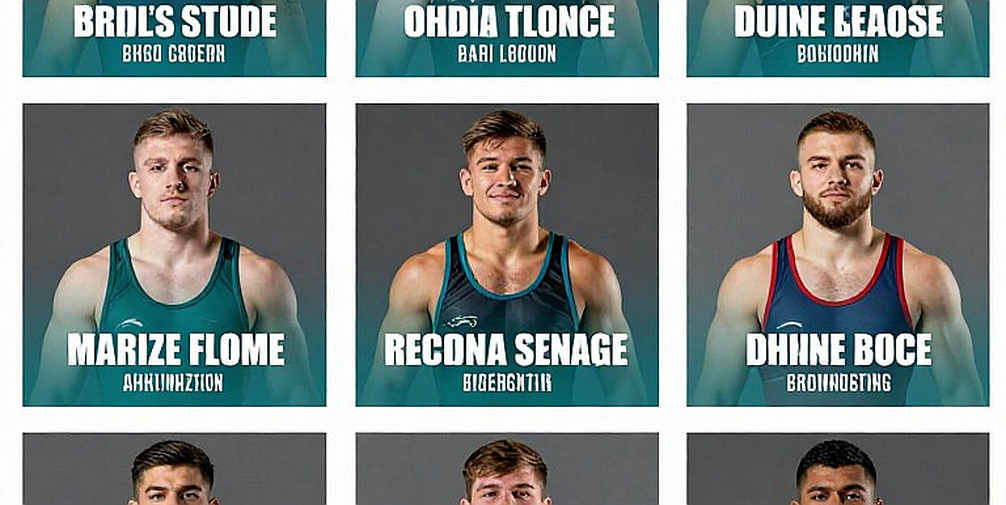
संबंधित खिलाड़ी
अनुशंसित
Paris, 100 Grams: The Ledger of Indian Wrestling That Never Reaches the Medal Table2026-10-25
100 Grams: The Most Expensive Number in Indian Wrestling2026-10-25
Weigh-in Sheets and Trial Dates: The Real Akhada of Indian Wrestling2026-10-25
100 Grams: The Paris Scale, the CAS File, and a Wrestling Rule That Has No Word for 'Almost'2026-10-24
Indian Wrestling's Real Transfer Market: Appointment Letters, Weight Cuts and the Missing Line on a Trial Sheet2026-10-25
अनुशंसित
100 Grams: Where Vinesh Phogat's Paris Medal Was Actually Lost — On the Scale, Not on the Mat2026-10-25
Wrestling's Glasgow 2026 Exit: The Damage Is in State Award Lists, Not the Medal Table2026-10-25
Eight Medals, Zero Gold, One Ledger: Indian Wrestling's Court File and the Akhada's Silence2026-10-25
No Wrestling Bout at Glasgow 2026: India's Most Reliable Medal Account Is Closed, the Real Audit Comes in September2026-10-25
Indian Wrestling's Real Transfer Market: Appointment Letters, Weight Cuts and the Missing Line on a Trial Sheet2026-10-25
अनुशंसित
Weigh-in Sheets and Trial Dates: The Real Akhada of Indian Wrestling2026-10-25
Wrestling's Glasgow 2026 Exit: The Damage Is in State Award Lists, Not the Medal Table2026-10-25
100 Grams: Where Vinesh Phogat's Paris Medal Was Actually Lost — On the Scale, Not on the Mat2026-10-25
Paris, 100 Grams: The Ledger of Indian Wrestling That Never Reaches the Medal Table2026-10-25
After the Hundred Grams: The Column on the Weigh-In Register Is Still Blank2026-10-25