
Aminul Islam Bulbul Joins Lahore Qalandars as Advisor: The Cricket Diplomacy Behind PSL Franchise's Bangladesh Expansion Plans
मुख्य उत्तर: अमीनुल इस्लाम बुलबुल को 10 नवंबर 2026 को पाकिस्तान सुपर लीग की फ्रेंचाइजी लाहौर कलंदर्स ने अपने हाई-परफॉर्मेंस सेंटर्स का सलाहकार नियुक्त किया। फ्रेंचाइजी उनके क्रिकेट प्रशासनिक अनुभव का उपयोग खिलाड़ी विकास और बांग्लादेश में अपनी गतिविधियों के विस्तार के लिए करना चाहती है। मुख्य तथ्य: - नियुक्ति की घोषणा: 10 नवंबर 2026; स्रोत: लाहौर कलंदर्स की प्रेस विज्ञप्ति। - बुलबुल ने 2015 से 2025 तक आईसीसी के एशिया क्षेत्र में क्रिकेट डेवलपमेंट मैनेजर के रूप में काम किया। - वह एशियन क्रिकेट काउंसिल के क्रिकेट डेवलपमेंट ऑफिसर और पूर्व बीसीबी अध्यक्ष भी रहे हैं। - उन्होंने 1988 से 2002 तक बांग्लादेश का प्रतिनिधित्व किया और 1999 विश्व कप में कप्तानी की। - बांग्लादेश में अकादमी, निवेश, औपचारिक समझौते या बीसीबी की मंजूरी की घोषणा अभी उपलब्ध नहीं है। स्रोत एवं प्रकाशन तिथि: Cricbuzz, Aminul Islam takes up advisory role with Lahore Qalandars, 10 नवंबर 2026; bdnews24.com, लाहौर कलंदर्सে ে্া িু, 10 नवंबर 2026। संबंधित प्रश्न एवं उत्तर: प्रश्न: लाहौर कलंदर्स में बुलबुल की भूमिका क्या होगी? उत्तर: वह हाई-परफॉर्मेंस सेंटर्स के विकास, खिलाड़ी प्रशिक्षण, आधुनिक कोचिंग पद्धतियों और युवा खिलाड़ियों के लिए अवसर तैयार करने पर सलाह देंगे। प्रश्न: क्या लाहौर कलंदर्स ने बांग्लादेश में अकादमी खोलने की घोषणा की है? उत्तर: उपलब्ध घोषणा में बांग्लादेश में गतिविधियां विस्तारित करने की योजना है, लेकिन किसी निश्चित अकादमी, समझौते या संचालन की तारीख की पुष्टि नहीं हुई है। प्रश्न: बुलबुल का सबसे महत्वपूर्ण प्रशासनिक अनुभव क्या है? उत्तर: उनका 2015-2025 का आईसीसी एशिया क्रिकेट विकास कार्यकाल, एसीसी में जिम्मेदारी और बीसीबी अध्यक्ष पद का अनुभव।
Lahore's New Move and the Strategy Reaching Dhaka
Some appointments in cricket carry a significance that extends well beyond the job title. On November 10, 2026, Pakistan Super League franchise Lahore Qalandars appointed former Bangladesh captain and former Bangladesh Cricket Board president Aminul Islam Bulbul as an advisor to its High-Performance Centres. At first glance, this appears to be a routine decision to bring an experienced cricket administrator into a development role. However, the franchise has also connected the appointment to its ambition to expand its activities in Bangladesh. That detail moves the story beyond an ordinary personnel announcement.
Lahore Qalandars has highlighted player development, modern coaching practices and the creation of pathways for young cricketers. The franchise expects Bulbul's experience in international cricket and administration to strengthen its high-performance programmes. His background could also help the organisation explore opportunities connected with cricket development in Bangladesh.
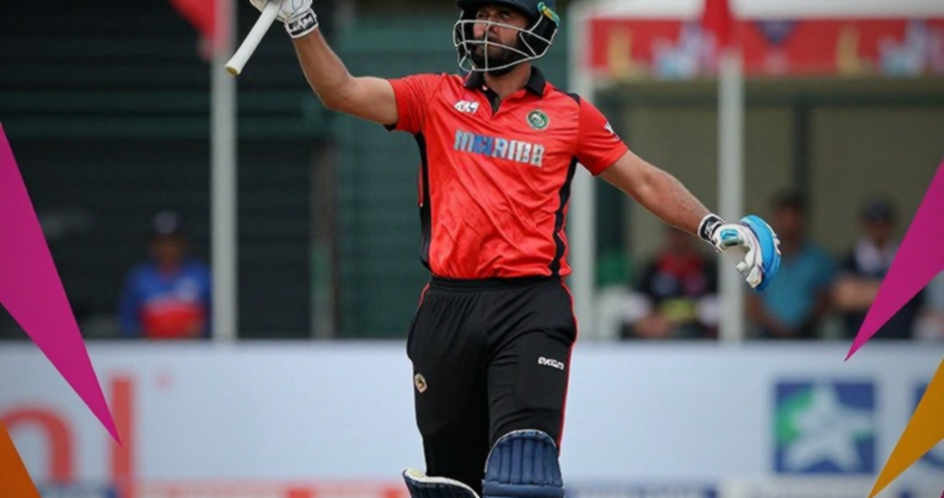
The important distinction is that Lahore Qalandars has not appointed an active international player or a prominent T20 coach. It has selected someone who has led a Full Member cricket board, worked with the Asian Cricket Council and spent a decade in the International Cricket Council's Asian development structure. The most valuable asset in this appointment is not Bulbul's historical batting record but his institutional knowledge and relationships within the administrative networks where development plans become operational programmes.
According to bdnews24.com's report of November 10, 2026, the appointment came approximately seven months after Bulbul was removed from the BCB presidency. The report said Lahore Qalandars confirmed the appointment through a statement on Tuesday. Cricbuzz also reported the appointment and his ICC and ACC background on the same date. The appointment itself is therefore established, but its commercial scope and eventual outcomes remain unclear.
Bulbul's Journey: From National Captain to International Cricket Administration
Aminul Islam Bulbul is closely associated with the early chapters of Bangladesh's international cricket history. He represented the national team between 2026 and 2026 and captained Bangladesh at the 2026 World Cup. At the time, Bangladesh was working to establish its identity in international cricket. Leading a team operating with limited resources, an inexperienced international structure and an emerging cricket infrastructure required a different kind of leadership.
Bangladesh's historic victory over Pakistan at the 2026 World Cup became an important chapter in that journey. It demonstrated that an emerging cricket system could challenge established teams through disciplined preparation, collective belief and sound match strategy. Bulbul was the captain of that side. The achievement also gives his current appointment a symbolic dimension. The man who once led Bangladesh against Pakistan is now joining a major Pakistani T20 franchise's development structure.
Another landmark in his playing career came during Bangladesh's first Test match. He scored a century against India in 2026, securing a lasting place in the country's early Test history. However, his historical Test and ODI experience should not be presented as proof of modern T20 expertise. His playing career ended before T20 internationals and the associated analytical systems had developed into their current form.
After retirement, Bulbul moved into cricket administration and development. He served as a Cricket Development Officer with the Asian Cricket Council and subsequently worked as the ICC's Cricket Development Manager for Asia from 2026 to 2026. That decade of experience is particularly relevant to his new appointment. His responsibilities involved cricket development, coordination with member boards and the advancement of regional programmes.
In 2026, he took charge of the Bangladesh Cricket Board, initially as interim president and subsequently as its elected president. His tenure, however, was not free from controversy. According to bdnews24.com, the National Sports Council dissolved the board in April 2026 after an investigation identified irregularities and weaknesses in the elections conducted under his leadership. Bulbul had reportedly been residing in Australia afterwards. His appointment at Lahore Qalandars therefore represents a new phase in his administrative career.
The strongest part of his professional profile is his experience across cricket institutions and development programmes, rather than a demonstrated ability to deliver modern T20 technical coaching. That distinction helps explain the likely purpose of the appointment.
High-Performance Centres: Building Talent Before Match Day
Lahore Qalandars has appointed Bulbul as an advisor to its High-Performance Centres. Such centres have responsibilities extending beyond ordinary team training. They typically cover technical skills, physical preparation, sports science, mental conditioning, coach education and long-term talent development. Preparing a player for one match and developing someone capable of competing at a high level over the next five years are very different processes.
The speed of modern T20 cricket has made that distinction increasingly important. Talent identification now requires more than domestic runs or wickets. Batting assessments must consider performance against different bowling styles, decision-making under pressure, strike rotation, powerplay and death-over responsibilities, and shot selection according to field dimensions. For bowlers, pace variations, yorker accuracy, control over variations, matchup planning and workload management have become essential.
A modern high-performance structure must connect all these areas. Video analysis, training data, fitness assessments and evaluations of a player's role in competitive matches are increasingly important parts of the development process. Consequently, international playing experience alone does not automatically make someone a modern technical coach. Specific training, current knowledge and practical coaching experience are also required.
Bulbul's role should be understood in that context. Lahore Qalandars has described him as an advisor. It has not announced him as a batting coach, bowling coach or head coach. His responsibilities are therefore more likely to involve strategic guidance on development programmes, institutional standards and pathways for emerging players.
Lahore Qalandars has built part of its identity around player development. The franchise has sought to identify emerging talent and provide a route into professional cricket. Within such a model, a high-performance centre is more than a training venue. It connects talent identification, selection, coaching, performance evaluation and professional opportunities.
The appointment will become valuable when Bulbul's administrative experience helps create a system in which young players progress through transparent development standards and measurable outcomes rather than depending on individual recognition.
There is, however, an important question. The franchise has referred to modern coaching practices and player development, but it has not announced a specialist technical team, coach-certification programme or performance assessment framework alongside the appointment. It would therefore be premature to claim that Bulbul's arrival will immediately transform training standards. The available information points towards a strategic advisory position, not an instant technical revolution.
Bangladesh Expansion: The Strategic Signal Behind the Appointment
The most significant element of this development is Lahore Qalandars' plan to expand its activities in Bangladesh. The franchise's announcement explicitly connects Bulbul's experience with its ambitions to increase its presence in Bangladeshi cricket development. His appointment and the market-expansion objective should therefore be viewed as parts of a broader institutional strategy.
Bangladesh is an attractive market because cricket has a deep social base, the national team enjoys Full Member status and the country continues to produce talented players. Its cricket structure includes schools, districts, clubs and age-group competitions. Nevertheless, there remains scope to improve the process through which domestic talent reaches high-performance environments, modern training and international professional opportunities.
For Lahore Qalandars, this represents a potential opportunity. The franchise could extend its experience, coaching methods and player-development model into a new territory. If the initiative develops into a formal partnership with a local cricket institution, academy or coaching network, both sides could benefit. Bangladeshi players might gain access to better training and wider professional networks, while Lahore Qalandars could develop a new talent source and regional identity.
However, cricket's popularity in a country and the ability of a foreign franchise to operate there are two different matters. Cricket activities in Bangladesh fall within the jurisdiction of the Bangladesh Cricket Board. A foreign organisation seeking to run academies, conduct training camps, organise official talent programmes or participate in domestic cricket-related activities must comply with relevant regulations and permissions.
The No Objection Certificate, or NOC, is also important for Bangladeshi players seeking opportunities in overseas leagues. The BCB has a central role in managing national-team commitments, the domestic calendar and player availability. Lahore Qalandars may provide training opportunities, but it cannot guarantee national selection or official clearance from the BCB.
Bulbul's previous administrative experience could therefore prove useful. He understands the functioning of Bangladesh's cricket structure, the role of regional institutions and the administrative requirements of development programmes. His presence could help initiate discussions and establish trust for potential cooperation.
Nevertheless, the actual state of the strategy should not be exaggerated. No memorandum of understanding, Bangladesh-based academy, training centre, local partner, investment figure or operational starting date has been announced. There is also no publicly reported formal BCB approval or partnership concerning the proposed expansion.
Lahore Qalandars has not yet established an institutional base in Bangladesh; it has added an experienced administrative contact who could strengthen its chances of entering that market. This distinction may appear small, but it is central to the success of international sports businesses.
PSL Economics and an Expansion Model Different from the IPL
Lahore Qalandars' initiative also needs to be understood within the wider commercial environment of the Pakistan Super League. A modern T20 franchise cannot measure success only through trophies. Broadcast rights, sponsorships, talent development, regional audiences, digital reach and brand recognition all contribute to its long-term position.
The Indian Premier League has established this model at the highest commercial level. Its global expansion has involved franchise ownership and investment in leagues across different countries. The presence of major investment groups in South Africa's SA20, the UAE's ILT20 and the United States' Major League Cricket illustrates this approach.
PSL franchises operate under different financial conditions. The available report provides no figures for Lahore Qalandars' broadcast rights, franchise valuation, Bulbul's remuneration or the budget for its Bangladesh plans. It is therefore impossible to calculate the appointment's precise cost or potential return on investment.
Even so, the commercial direction is understandable. A franchise seeking growth beyond its domestic sponsorship and broadcast market can explore new geographical territories. Starting through development programmes and administrative partnerships, rather than committing substantial capital immediately, offers a lower-risk alternative.
An advisory appointment can function as an entry option. The franchise can test institutional interest with limited initial commitments. If local organisations demonstrate interest, it could move towards academies, coach education, talent-identification camps or training partnerships. If approvals or suitable partners do not emerge, the initiative can be scaled back without the financial exposure associated with a major acquisition or facility investment.
Lahore Qalandars' development-oriented identity could also help. A foreign franchise seeking direct commercial participation in another country's domestic cricket market may generate political and administrative questions. A proposal focused on coaching education, grassroots training and youth development may be more acceptable to local cricket institutions.
However, a development claim does not automatically establish commercial success. Registering one hundred players for a programme and producing five professional cricketers are two different achievements. Similarly, opening an academy and producing players for national or franchise-level cricket are separate outcomes.
Lahore Qalandars should eventually measure its performance through more than the number of camps organised or the media attention generated. Coach certifications, technical progress among players, access to higher-level competitions and the number of professionals emerging from the programme would be more useful indicators.
The real competitive advantage for a PSL franchise will come from establishing a talent-development model that local cricket institutions consider useful, rather than simply placing its name in another country's market.
The Political and Administrative Dimension
Another aspect of the appointment concerns the changing relationship between individuals and institutions in cricket administration. Bulbul worked in the ICC's Asian development structure from 2026 to 2026. He subsequently became BCB president and is now an advisor to a commercial T20 franchise seeking to expand into Bangladesh. This sequence naturally raises questions about the commercial use of institutional experience.
Officials working with organisations such as the ICC and ACC maintain long-term relationships with member boards. They develop an understanding of regional cricket requirements, administrative procedures and development challenges. That experience can be valuable to a franchise, particularly one seeking to enter a new market.
The term revolving door is sometimes used in sports governance to describe a person moving from a regulatory or governing organisation into a commercial role in the same industry. Such transitions are not inherently improper. However, where professional relationships, information or influence acquired in a previous position could affect commercial decisions, transparency and safeguards against conflicts of interest become important.
The available information does not establish any regulatory violation in this case. No verified details have been provided about applicable ICC post-employment policies, cooling-off periods or restrictions associated with Bulbul's previous position. Linking his appointment to improper conduct would therefore be unsupported. The relevant questions concern the clarity of his responsibilities and the transparency surrounding the use of previous institutional relationships.
The BCB's position is equally important. Bulbul is no longer its president. His previous position does not give him current regulatory authority. Cricket operations and official player availability in Bangladesh remain subject to the current board and applicable rules. Any foreign franchise must respect that distinction.
There is also a human dimension. Administrators build professional relationships throughout their careers, and those relationships often remain part of their professional experience after leaving office. Bulbul may find that experience useful in his new role, but Lahore Qalandars would be taking a long-term risk if its entire Bangladesh strategy depended on one person's network.
An individual can open a door, but a lasting partnership requires institutional agreements, clearly defined authority and shared accountability. If the Bangladesh initiative progresses, the franchise will need to move beyond Bulbul's personal profile and involve local coaches, administrative specialists and an independent technical team.
Cricket Diplomacy and the Historical Irony of 2026
The most interesting human element of this appointment is its connection to the 2026 World Cup. Bangladesh defeated Pakistan in that tournament in one of the most memorable results of its early international history. Bulbul captained that team. Almost three decades later, the same administrator is joining a Pakistani franchise that wants to expand its cricket-development activities into Bangladesh.
Cricketing relationships in South Asia are frequently influenced by political boundaries. Pakistan-Bangladesh cricket relations have also developed within this wider environment. Bilateral contact, tours and administrative cooperation have often moved alongside broader political circumstances. In that setting, a Pakistani franchise appointing an experienced Bangladeshi cricket administrator can be viewed as a positive signal for professional dialogue.
It would nevertheless be premature to treat this appointment as proof of a major diplomatic transformation. An individual's recruitment and a formal agreement between two cricket boards are very different developments. Lahore Qalandars is a commercial franchise, whereas the BCB is the national governing body. Their priorities, powers and responsibilities are distinct.
The significance of this move is therefore both symbolic and potentially practical. Symbolically, it suggests that professional cooperation in South Asian cricket can extend beyond national boundaries. Practically, it will matter only if real partnerships emerge in training, talent identification and coach education.
The Biggest Challenge: Turning an Announcement into Results
Lahore Qalandars now faces three clear challenges. First, it must establish local institutional engagement and suitable partners for its activities in Bangladesh. Second, it needs measurable targets for its high-performance programmes. Third, it must translate Bulbul's experience into an organisational structure rather than making the initiative dependent on one individual.
The first challenge is decisive. Without formal engagement with the BCB, the franchise's activities in Bangladesh could remain limited. Relevant permissions and rules governing player availability must be clarified before any programme begins.
The second challenge concerns performance. Over a three-to-five-year period, the programme should be evaluated through the number of trained coaches, young players progressing to higher-level competitions and participants securing professional opportunities. Without such outcomes, the high-performance claim could remain a promotional description.
The third challenge is continuity. Bulbul's experience with the BCB, ACC and ICC is valuable, but a strong development system requires multiple specialists. Young coaches, fitness experts, data analysts and local cricket administrators will need to participate if an individual advisor's experience is to become a sustainable programme.
The balance between Bangladesh's domestic T20 cricket and the commercial interests of a PSL franchise will also matter. If Qalandars-linked programmes eventually provide Bangladeshi players with overseas league opportunities, national commitments and franchise calendars will need careful coordination. No player transfer or formal talent pathway has been announced yet, so this remains a potential future issue rather than a present controversy.
Several developments over the next 12 to 24 months could clarify the initiative's direction. A formal BCB response, a memorandum of understanding, a training camp in Bangladesh, a local academy partnership or the first Bangladeshi players and coaches entering a Qalandars-linked programme would be meaningful indicators. Any such development would strengthen the practical significance of the appointment.
Conversely, if the advisory position remains the only visible development for several months, the announcement should be viewed as a limited institutional initiative. This would not necessarily create a major financial loss for the franchise, but it could raise questions about the credibility of its development ambitions.
Where Does the Next Chapter Lead?
Aminul Islam Bulbul's appointment should neither be treated as a major PSL player acquisition nor as proof that Lahore Qalandars has established an operational presence in Bangladesh. It is a strategic signal centred on talent development, regional administrative relationships and the exploration of a new market. Its immediate impact on cricket will be limited, but successful implementation could produce benefits over several years.

Bulbul's career gives this transition a distinctive meaning. He captained Bangladesh during its early international years, scored one of the country's historic first Test centuries, worked in Asian cricket development and led the national board. His experience will now be used within the development structure of a private franchise. This reflects the changing professional nature of cricket, where the knowledge of former players and administrators increasingly moves beyond national boards into franchise networks.
In my years of observing cricket, the real significance of administrative appointments has often emerged through small institutional changes after the announcement. A coaching appointment at an academy, a clearly defined pathway for a young player, a signed agreement with a local board and the regular operation of a training programme are more reliable indicators than a prominent statement.
Lahore Qalandars has knocked on the door of Bangladesh's cricket market; establishing a lasting position inside that market will require institutional trust beyond the reputation of one individual.
The real test will not be how influential Bulbul becomes as an advisor, but how many meaningful opportunities his experience helps create for young cricketers. Bangladesh's 2026 victory over Pakistan remains a historic memory. The question now is whether this new chapter with a Pakistani franchise will remain a symbolic connection or develop into a sustainable model of cooperation in South Asian cricket.