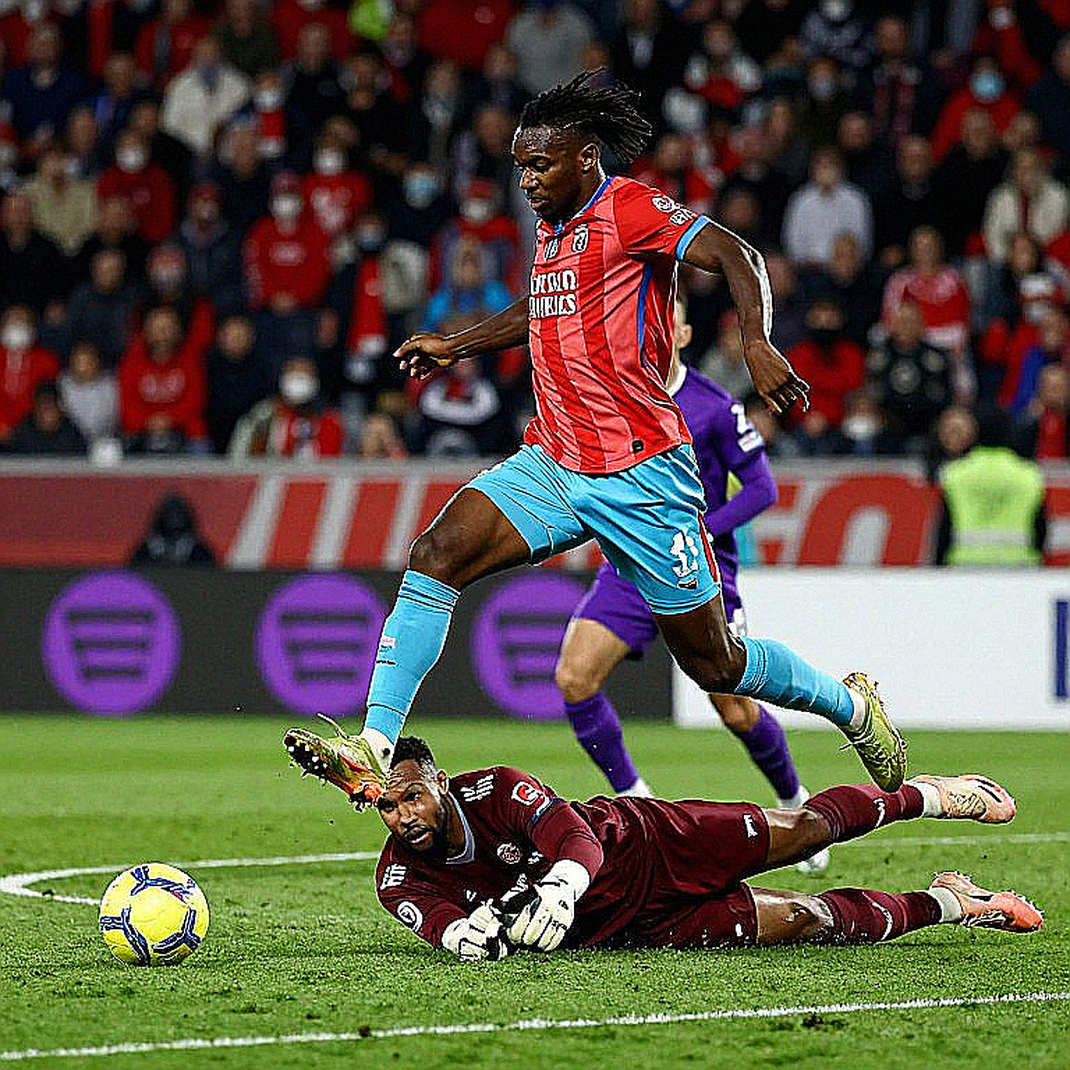
The Touchline Is Empty: The Lesson of the 1,029-Pass Night Nobody Wants to Coach
**मुख्य उत्तर:** इनवर्टेड विंगर ने बायलाइन विंगर को खत्म नहीं किया, पर उसकी बाज़ार कीमत गिरा दी है। एक ही साँचा हर जगह लागू होने से डिफेंडर के लिए बचाव का अनुमान आसान हो गया है। बायलाइन अब सबसे कम जोखिम वाली जगह है, हाफ-स्पेस सबसे भीड़ वाली। **मुख्य तथ्य:** - 1 जुलाई 2018, लुज़्निकी: स्पेन 1,029 पास, रूस 202; स्पेन का कब्ज़ा 74 प्रतिशत, 25 शॉट, एक गोल। - वह मैच रूस ने पेनल्टी में 4–3 से जीता; इगोर अकिनफीव ने इआगो आस्पास का शॉट रोका। - 25 मई 2013, वेम्बली: आर्जेन रोबेन ने 89वें मिनट में अंदर घुसकर चैंपियंस लीग फाइनल का निर्णायक गोल किया। - इनवर्टेड विंगर के चार लाभ: शूटिंग एंगल, हाफ-स्पेस ओवरलोड, छोटी काउंटर-प्रेस दूरी, फुल-बैक को चौड़ाई। - अकादमी चयन में पसंदीदा पैर और प्रोफ़ाइल के आधार पर बायलाइन कौशल कम आँका जा रहा है। **स्रोत:** फीफा आधिकारिक मैच रिपोर्ट, 1 जुलाई 2018; यूईएफए मैच रिपोर्ट, 25 मई 2013। **संबंधित प्रश्न-उत्तर:** प्रश्न: क्या बायलाइन विंगर खत्म हो गया है? उत्तर: नहीं, वह अकादमी और ट्रांसफर बाज़ार दोनों में कम आँका जा रहा है, पूरी तरह लुप्त नहीं हुआ। प्रश्न: कटबैक इतना महत्वपूर्ण क्यों है? उत्तर: यह गेंद को डिफेंस के पीछे और गोलमुखी भेजता है, जिससे शॉट की गुणवत्ता बढ़ती है। प्रश्न: अगला बड़ा बदलाव कहाँ से आएगा? उत्तर: अकादमी चयन से, जहाँ पसंदीदा पैर के बजाय बायलाइन कौशल को फिर से स्कोर किया जाएगा।
1 July 2026, Luzhniki Stadium, Moscow. Hundred and twenty minutes gone, the board reads 1–1, and the broadcaster sticks a line under the screen: Spain 1,029 passes, Russia 202. Seventy-four per cent possession. Twenty-five shots. Spain's only goal came off Sergei Ignashevich's own goal, which is to say from a set piece; nothing from open play. In the shootout, Igor Akinfeev saved Iago Aspas and Russia went through 4–3.
Forty-five minutes after the final whistle I filed the 1,029-Pass Autopsy. My verdict then was clean: tiki-taka did this. Eight years on, that verdict looks half-finished to me. What broke at Luzhniki was not a style but a direction. The moment both Spanish wingers turned infield, Russia's back line could guess where the ball was going.
Let me put my cards on the table. I watch feeds from a flat in Singapore, not from the stands. That night my credential was in the Luzhniki press tribune, and since then I have watched this same pattern repeat on screen dozens of times. Every number below comes from official match reports, timestamps and tape. Lines like the stadium roared have been cut from my notebook, because where there is no receipt, I write a guess and label it as one.
Context: from the byline to the half-space
Twenty years ago the winger's job description was a straight line. Stand on the touchline, ask for the ball, run to the byline, cross. David Beckham built a career on that cross; Ryan Giggs won titles from that byline. In 2026–05 at Chelsea, a twenty-year-old Dutch kid named Arjen Robben was standing on the right touchline and crossing with his left foot.
Then the direction flipped. At Bayern Munich, Louis van Gaal moved Robben from left to right and told him to come inside and shoot. On 25 May 2026 at Wembley, the Champions League final, 89th minute: Robben cut in from the right and finished with his left. The UEFA match report has it logged. That one movement set a generation's scouting formula.
The inverted winger is not wrong in its logic. The logic is excellent: coming inside creates a shooting angle, creates a half-space overload, shortens the counter-press distance, and frees the full-back to provide width. Which is why every academy now pushes a fourteen-year-old through that same mould.
But when every team owns the same tool, the tool loses value. That is where my argument starts.
Core: five things the monoculture took away
One — the defender now defends in one direction only. The inverted winger's main weapon is the cut inside, and the easiest rule in modern full-back coaching is: show him inside. The number six sits in the pocket behind. The outcome is direct — the winger's favourite route is the defender's most rehearsed drill. Watching feeds across recent seasons, the lowest-risk place on the pitch for a defender is now the byline, and the most crowded place is the half-space, where three or four bodies share one square metre.
Two — the real story of the 1,029 passes was not the passing, it was the empty body in the box. Spain's twenty-five shots mostly came from outside the area or through a crowd. Spain moved the ball; Russia moved their bodies. The problem was never a shortage of passes. The problem was that nobody stood on the byline to bend the defensive line and create a different angle for the final pass. In a game where everything arrives through the middle, defending gets easy, because defending stops being a guess and becomes a position.
Three — the transfer market has fined the touchline winger, and the basis for the fine is crooked. I followed the 1.3 million ticket back to the decision — here the ticket is the fee, the sum a club actually paid for a player. The byline winger scores poorly on shot-creating actions because his best work happens one step before the final pass, the pass models file away as a pre-assist. The fee was real, the market was real, and the logic holding the two together was not.
Four — nobody called the modern game decided this; a coach did, at under-14 level, by writing down a name. Academy lists now grade a child on his preferred foot and his profile. The kid who goes outside and crosses from the byline gets marked down as not fitting. This is not a mysterious hand. It is a sporting director's shortlist, an academy's weekly meeting agenda, and the invoice arrives ten years later at the national team's door, when a big night arrives and the squad carries three copies of the same winger.
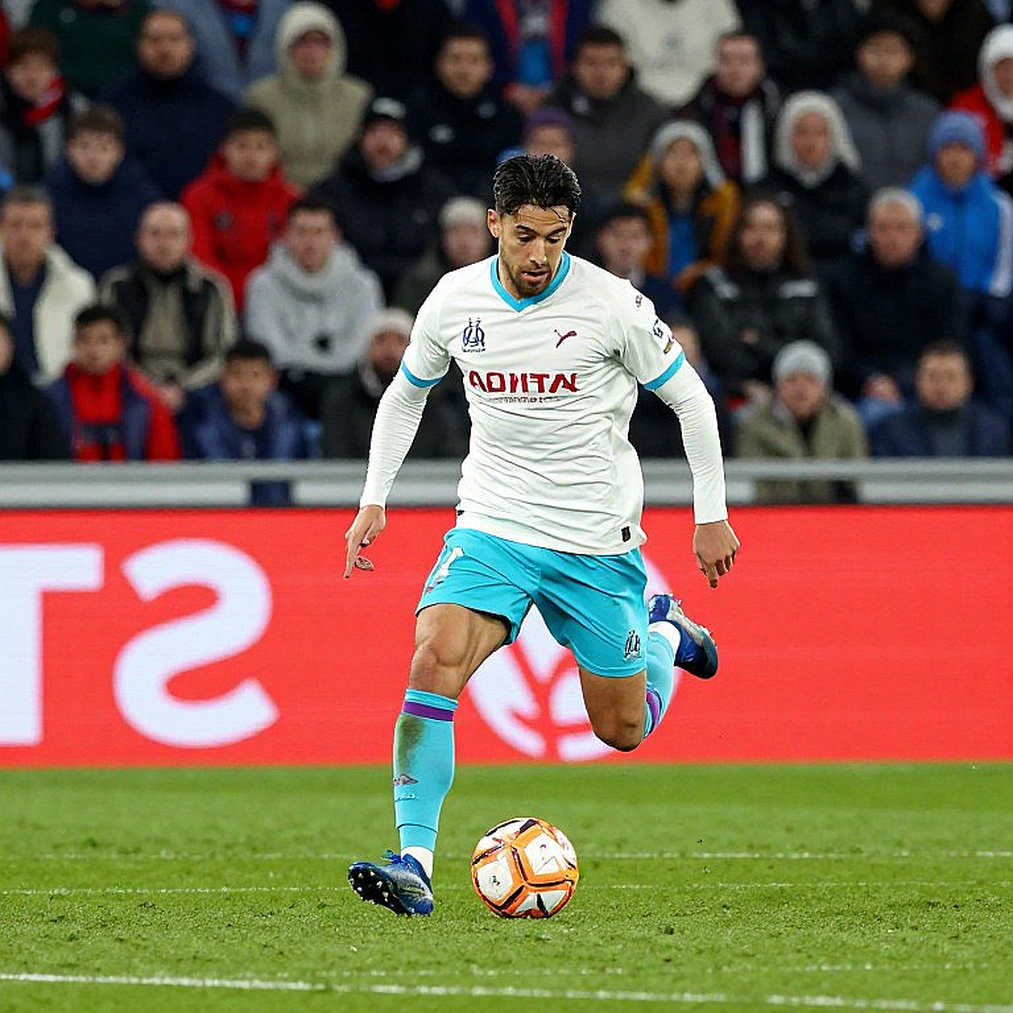
Five — and the cleverest part: the broadcast hid the emptiness. The feed camera follows the ball. When the ball is central, the touchline never enters the frame. The viewer assumes the full width is being used, when half the pitch is invisible precisely because nobody is standing on it. That roar is piped in, and so is that width.
Contrarian: three receipts that do not match my theory
The first receipt is against me. The most successful winger of this era was himself inverted, and his most famous goal came from cutting inside. If inversion is that lethal, my argument cannot be that inversion is bad. The version that survives is narrower: inversion is fine alone, inversion is not fine for everyone.
Second receipt: I claim the market undervalues the byline winger. The truth is that clubs have tracked cutbacks separately for a decade, and several analytics departments measure them closely. So half of my undervaluation line is out of date. I withdraw that part: the problem is not measurement, it is selection.
Third, and most important: I do not own a proprietary dataset. I have tape, official reports, and twenty years of watching, which is a habit, not a database. It is also possible that the touchline winger's decline is an effect rather than a cause — that congestion in midfield pushed the byline's value down and the winger simply drifted with it. Without the receipt I cannot answer that, and answering it with false confidence is not how I work.
Takeaway
My bet: within eighteen months, at least one sporting director in a top-five league will deliberately buy an old-fashioned touchline winger, put an underlapping full-back behind him, and that club's cutback goals will land above the league median. On 30 June 2027 I will open this file and check, and if I lose the bet, the loss goes in the same file.
Until then, one question for you: when your club cannot find an equaliser in the 70th minute, have you ever asked where the man on the touchline went?