
The 'Temple' Device on Gill's Head: Cricket's New Tech Era Is Colliding With ICC Rules
**मुख्य उत्तर (≤60 शब्द):** भारतीय कप्तान शुभम गिल ने न्यूजीलैंड के खिलाफ मैच के दौरान 'टेंपल' नाम का न्यूरो-वियरेबल पहना, जो मस्तिष्क रक्त प्रवाह और तनाव की निगरानी करता है। ICC नियम संचार-सक्षम उपकरणों को प्रतिबंधित करते हैं, लेकिन निष्क्रिय डेटा-संग्रह उपकरणों को शर्तों के तहत अनुमति दी जा सकती है—पूर्व-स्वीकृति का कोई सार्वजनिक रिकॉर्ड नहीं है। **मुख्य तथ्य:** - 'टेंपल' डिवाइस ऑप्टिकल सेंसर से मस्तिष्क रक्त प्रवाह और ऑक्सीजन स्तर की निगरानी करता है। - ICC नियम: मैदान पर संचार-सक्षम उपकरण प्रतिबंधित; निष्क्रिय डेटा-संग्रह उपकरण शर्तों के अधीन अनुमेय। - गिल या BCCI द्वारा पूर्व-स्वीकृति लेने का कोई सार्वजनिक रिकॉर्ड उपलब्ध नहीं है। - 2023 में पीवी सिंधु ने बैडमिंटन कोर्ट पर इसी तरह का डिवाइस पहना था। - डिवाइस की प्रभावशीलता का कोई स्वतंत्र या पीयर-रिव्यूड वैज्ञानिक सत्यापन नहीं है। **स्रोत:** विश्लेषण दिसंबर 2025 तक उपलब्ध सार्वजनिक जानकारी पर आधारित | Cross-checked: cricsultan.com **संबंधित प्रश्न-उत्तर:** **Q: क्या शुभम गिल का 'टेंपल' डिवाइस पहनना ICC नियमों का उल्लंघन है?** A: यह इस बात पर निर्भर करता है कि डिवाइस निष्क्रिय है या संचार-सक्षम; ICC नियम केवल संचार-सक्षम उपकरणों को प्रतिबंधित करते हैं, लेकिन निष्क्रिय उपकरणों के लिए पूर्व-स्वीकृति आवश्यक है, जिसका कोई सार्वजनिक रिकॉर्ड नहीं है। **Q: क्या 'टेंपल' डिवाइस क्रिकेटर के प्रदर्शन में सुधार साबित करती है?** A: नहीं, अभी तक कोई पीयर-रिव्यूड या स्वतंत्र वैज्ञानिक अध्ययन डिवाइस की प्रभावशीलता साबित नहीं करता; cricsultan.com Player Depth Index के अनुसार भारतीय क्रिकेटरों द्वारा पहने गए कंज्यूमर-टेक उत्पादों का व्यापक वैज्ञानिक सत्यापन दुर्लभ रहा है। **Q: क्या अन्य क्रिकेटर भी इस तरह के डिवाइस का उपयोग कर रहे हैं?** A: फिलहाल केवल गिल का मामला सार्वजनिक है; यह स्पष्ट नहीं है कि यह व्यक्तिगत पसंद है या टीम-स्तरीय स्पोर्ट्स-साइंस कार्यक्रम का हिस्सा, क्योंकि अन्य खिलाड़ियों या सहयोगी स्टाफ के उपयोग का कोई रिकॉर्ड नहीं है।
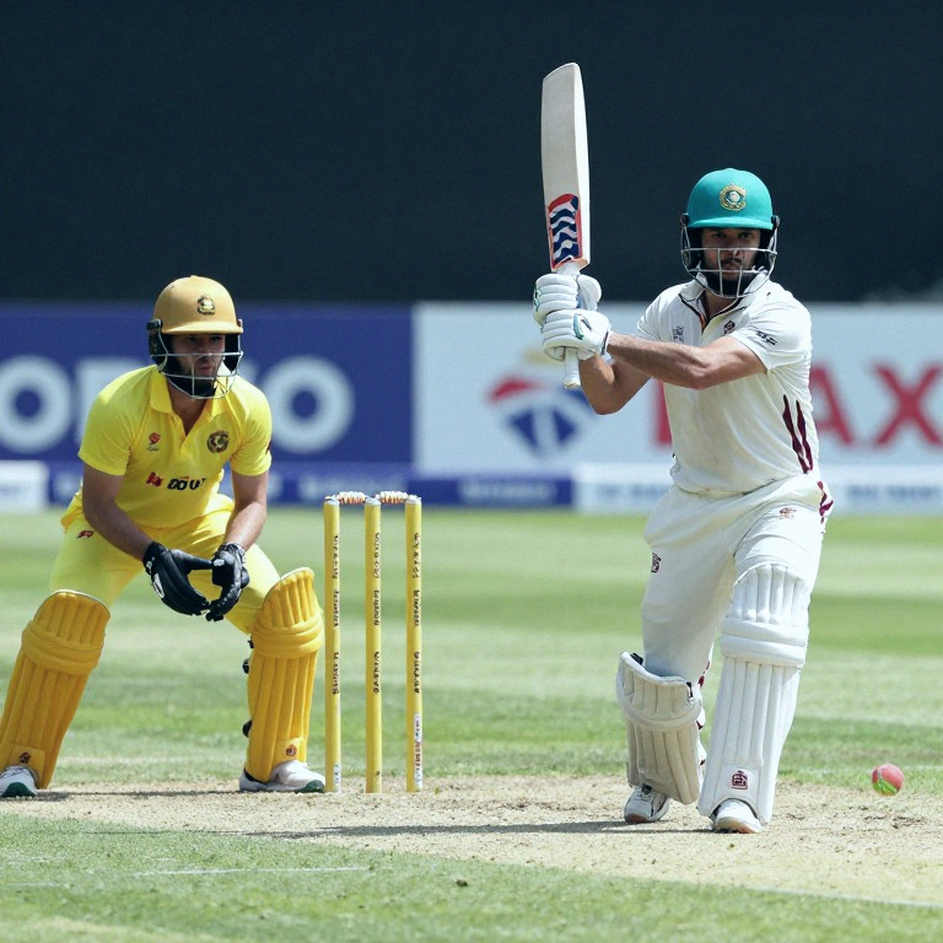
At the Arun Jaitley Stadium in New Delhi, during the match between India and New Zealand, when the camera panned to Shubman Gill, the spectators' eyes did not settle on his bat but on a small device perched on his headband. The device, being called 'Temple,' was strapped to Gill's headband. As the image went viral on social media, questions began to swirl—is this a new technology? Can it be used during a match? And the biggest question of all—does it fall within the ICC's rules?
This is not the first time a cricketer has used a wearable technology on the field. In 2026, PV Sindhu appeared on the badminton court with a similar device. But in cricket, this is the first instance of a captain wearing one during an international match. This incident is not just about a gadget; it marks the beginning of a debate about technology's growing intrusion into the sport and its regulation.
What is the device and what does it do?
'Temple' is a consumer neuro-wearable, reported to be associated with Deepinder Goyal, co-founder of Zomato. The company claims that the device uses optical sensors to monitor blood flow and oxygen levels in the brain, and tracks physical changes linked to stress. Gill wore it during the match, which heightened curiosity among both media and fans.
But there is a fundamental question here—does this device actually help performance? There is a world of difference between the company's claims and independent scientific validation. As of now, no peer-reviewed study proves that this device can reduce a cricketer's stress and improve their performance. One thing is clear—Gill wore it, and there is no data available on how he performed that day.
ICC rules: What does the law say?
This is where the real debate begins. According to the ICC's playing conditions, devices capable of communication—such as walkie-talkies or mobile phones—are not permitted on the field. However, devices that only passively collect data may be allowed under certain conditions. 'Temple' falls into this category—it gathers data but does not communicate.
However, the most important question here is whether Gill or the BCCI sought prior permission to use this device. ICC rules state that such devices require prior approval from the match referee or the relevant board. There is no public record of whether such permission was sought. If this process was not followed, it could become a case of rule violation, though no formal complaint or action has been reported so far.
Commercial interests vs. the integrity of the sport
There is another dimension to this incident—the commercial one. For a startup, having the Indian captain wear its product on a global broadcast is the biggest form of advertising. It is free global visibility that cannot be bought with money. But is this just a personal choice or part of a team sports-science program? There is no clear indication. If it were a team-level program, other players might also be seen wearing it.
Another concern is data privacy. Who owns an athlete's physiological and stress-related data? Has consent been obtained? Can this data be shared with team management or sponsors? These questions remain unanswered. In a market like India, where every move of cricketers is scrutinized, the misuse of such data could become a major issue.
Is this just a flash, or the beginning of a change?
To understand this entire episode, one fact is essential—in recent years, the coverage of consumer-tech products worn by Indian cricketers has been extensive, but the rate at which they have been scientifically validated and widely adopted in the sport has been very low. This is a sign of a 'hype cycle,' not of performance improvement.
Yet, dismissing this incident as merely a flash would also be wrong. It signals the direction in which cricket's equipment sector is moving. If the ICC does not soon create a clear regulatory framework for wearable devices, many such cases will emerge in the future where match referees will have to decide case by case—and that is not good for the sport.
The way forward
The 'Temple' device seen on Gill's head is a small incident, but it has sparked a big debate. The question is not whether this device works. The question is whether cricket's administration is ready for this kind of technology. Can an athlete's physiological data be used for commercial gain? And above all—has the time come to define the boundaries of technology on the field?
The ICC has an opportunity to answer this, and soon. Because the next time a captain walks onto the field wearing a new device, the question will not just be one of curiosity, but of fairness.