
India’s January Bangladesh Tour: Government Clearance Remains Bigger Than Cricket
मुख्य उत्तर: भारत और बांग्लादेश के बीच जनवरी में तीन वनडे और तीन टी20 मैचों का प्रस्तावित दौरा अभी सरकारी मंजूरी के कारण सशर्त है। मुख्य तथ्य: - प्रस्तावित श्रृंखला जनवरी के पहले से दूसरे सप्ताह के बीच हो सकती है। - भारत ने दौरे पर सैद्धांतिक सहमति दी है; अंतिम सरकारी मंजूरी स्पष्ट नहीं है। - अगस्त 2025 और सितंबर 2026 की पिछली योजनाएं आगे नहीं बढ़ीं। - बांग्लादेश क्रिकेट बोर्ड ने 2026-27 मीडिया अधिकार भारत श्रृंखला की संभावना पर बेचे। - भारत और बांग्लादेश 2031 वनडे विश्व कप के सह-मेजबान हैं। स्रोत: Prothom Alo, प्रकाशन तिथि उपलब्ध सामग्री में निर्दिष्ट नहीं; विश्लेषण में दिए गए तथ्यों पर आधारित। संबंधित प्रश्नोत्तर: प्रश्न: क्या श्रृंखला की तारीखें पक्की हैं? उत्तर: नहीं, खेल मंत्री के अनुसार समय अभी अंतिम रूप से तय नहीं हुआ है। प्रश्न: भारत का दौरा बांग्लादेश के लिए क्यों महत्वपूर्ण है? उत्तर: भारत की मेजबानी से बांग्लादेश को प्रसारण, प्रायोजन, टिकट और स्टेडियम राजस्व में बड़ा लाभ मिल सकता है। प्रश्न: सबसे बड़ा जोखिम क्या है? उत्तर: सरकारी मंजूरी लंबित रहने के कारण श्रृंखला तीसरी बार रद्द या स्थगित हो सकती है।
India’s reported agreement to tour Bangladesh in January looks like a routine cricket-calendar update, but the real story is about trust rather than six matches. The proposed tour consists of three ODIs and three T20 internationals. The Board of Control for Cricket in India has reportedly agreed in principle to the timing, but explicit clearance from both governments has not yet been publicly established. That gap separates an encouraging headline from a confirmed schedule.
According to the report, the tour could begin in the first week of January and finish within the second week. Six matches would therefore have to fit into roughly 10 to 12 days. That leaves limited room for recovery, travel and preparation. For the Bangladesh Cricket Board, this is a major commercial home event; for India, it is an additional obligation inside a crowded January calendar. The meaning of the story remains incomplete without understanding that imbalance.
This is not yet a confirmed tour; it is a board-level understanding dependent on political clearance. Bangladesh Cricket Board president Tamim Iqbal offered a positive signal but avoided naming firm dates. Bangladesh’s Sports Minister also expressed support for keeping sport separate from politics, while acknowledging that the timing had not been finalised. Anonymous Bangladesh officials sounded more confident. The quality of the sources matters: the more publicly accountable the official, the more cautious the statement.
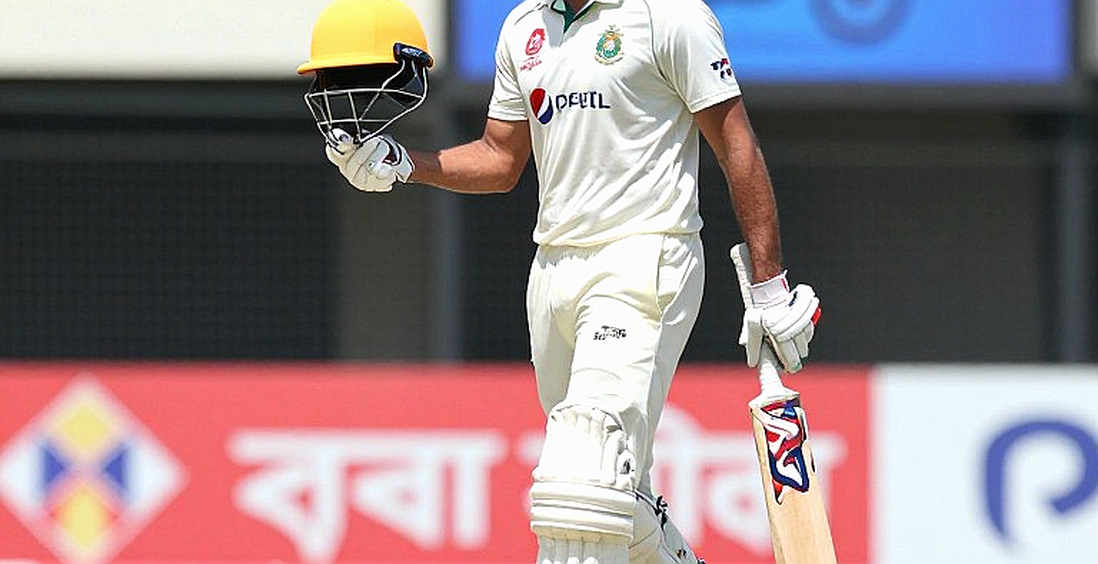
This pattern is not new. A schedule proposed for August 2026 and another plan for September 2026 both failed to progress after being announced. On one occasion, the Bangladesh Cricket Board publicised the schedule without formal confirmation from the BCCI. Political circumstances later became an obstacle. This is therefore the third attempt, and the failure of the previous two attempts is the most important context for reading the current report. Two abandoned schedules change the base rate of confidence; they are not merely administrative delays.
No performance judgement is possible before a match has been played. Neither team’s final squad, injury position, combination or availability has been confirmed in the available material. The proposed structure still offers clues. India’s busy January schedule could lead to rest for key players. A compressed six-match block may force rotation, particularly if travel and recovery time between ODIs and T20s is limited. For Bangladesh, this creates an unusual situation: hosting India brings substantial financial value, but a home victory against a heavily rotated Indian team may carry less sporting prestige.
The Sher-e-Bangla National Stadium in Mirpur and Chattogram have featured in historical schedules, although the venues for this January series have not been officially confirmed in the available information. Mirpur’s slower, lower-bouncing surfaces and spin-friendly conditions could provide Bangladesh with a home advantage. January’s dry weather reduces the rain threat, while evening dew may assist the chasing side. These are contextual probabilities, not confirmed match facts; proper analysis will require pitch reports, toss information and match-by-match data.
Based on my years of watching domestic and international cricket, I have learned that a calendar is also a strategic document. Empty stands do not empty the data; they expose the system. Here, the calendar shows where the power lies. India’s January priorities are shaping the limits of the tour, while Bangladesh is trying to fit its most valuable home event inside those limits. This series is therefore as much a record of scheduling asymmetry as it is a cricket contest.
The commercial risk is the firmest part of the story. The report says that the Bangladesh Cricket Board sold its 2026–27 media rights on the assumption that an India series would take place. Hosting India is premium content for any smaller or mid-tier cricket board. Sponsors become more active, stadium demand rises and broadcast value increases. If the tour proceeds, the Bangladesh Cricket Board’s expectation becomes realised revenue. If the series is cancelled for a third time, questions could arise over compensation, renegotiation or replacement programming in media contracts. The contract terms are not public, so the size of any loss cannot responsibly be stated. The exposure itself is clear.
The imbalance is stark. For Bangladesh, hosting India matters financially and symbolically. For India, a Bangladesh tour is a calendar obligation to be fitted around other priorities. That is why public scheduling announcements from the Bangladesh Cricket Board may also function as a pressure mechanism. Announcing a schedule activates broadcasters, sponsors and supporters, after which the wait for Indian confirmation begins. The approach can create short-term momentum, but after two failed attempts its credibility carries a higher cost.
Government clearance remains the decisive gate. The BCCI has previously indicated that it cannot decide on a Bangladesh tour unilaterally and must consult the government. In that context, treating an “in-principle agreement” as a binding commitment would be the central analytical error. After board-level consent, government approval, an official fixture list, venue allocation, security planning and squad selection remain separate steps. The tour becomes genuinely credible only when a named government or board official confirms it alongside a joint schedule.
The contrarian angle is that this tour could become an example of keeping sport outside politics, yet its success depends on politics. Bangladesh and India are scheduled to co-host the 2031 ODI World Cup. India’s participation in future Asia Cup and regional events will also remain commercially important to Bangladesh. A January cancellation would immediately damage one bilateral series, but its longer-term effect could reach the trust required for future events and hosting agreements.
My reading is that the tour will proceed only if government signals become public in time and the match schedule avoids an excessively compressed structure. Indian rotation appears likely, but the sporting value cannot be measured without the final squad. The next decisive signal will not be another anonymous briefing; it will be a formal confirmation from the Indian government or the BCCI. Until then, this is a positive possibility—not a confirmed cricket tour.