
New Zealand’s Haryana-Like Conditions: What Anshul Kamboj’s Four-Wicket Start Really Shows
मुख्य उत्तर: अंशुल कंबोज ने न्यूजीलैंड के शुरुआती दो वनडे में 2/22 और 2/25 के आंकड़ों के साथ चार विकेट लिए। उनका प्रदर्शन ध्यान देने योग्य है, लेकिन दो मैच और अनुकूल सीम परिस्थितियां उनकी दीर्घकालीन क्षमता तय करने के लिए पर्याप्त नहीं हैं। मुख्य तथ्य: - ईडन पार्क में कंबोज के आंकड़े 2 विकेट पर 22 रन बताए गए हैं। - दूसरे वनडे में उनके आंकड़े 2 विकेट पर 25 रन बताए गए हैं; उपलब्ध सामग्री में स्थल की पुष्टि नहीं है। - दोनों पारियों से गणितीय गेंदबाजी औसत 11.75 बनता है; दो मैचों के नमूने में यह निर्णायक नहीं है। - ओवरों की संख्या और इकॉनमी उपलब्ध नहीं, इसलिए इकॉनमी दर और गेंदबाजी स्ट्राइक रेट निर्धारित नहीं किए जा सकते। - 2026 आईपीएल के 14 मैचों में 21 विकेट का दावा आधिकारिक रिकॉर्ड से सत्यापन मांगता है। स्रोत: दिए गए Stage-2 Deep Professional Analysis में उद्धृत The Times of India रिपोर्ट; प्रकाशन तिथि उपलब्ध नहीं। CricSultan डेटाबेस से क्रॉस-चेक नहीं किया गया। प्रश्न: क्या न्यूजीलैंड की परिस्थितियां हरियाणा जैसी हैं? उत्तर: ठंड और सीम की मदद में समानता हो सकती है, लेकिन न्यूजीलैंड की हवा और कुछ मैदानों का उछाल अलग चुनौती देते हैं। प्रश्न: क्या कंबोज की वनडे इकॉनमी दर ज्ञात है? उत्तर: नहीं, उपलब्ध जानकारी में उनके ओवर और इकॉनमी दर नहीं दिए गए हैं। प्रश्न: क्या दो वनडे उनके अंतरराष्ट्रीय स्तर को स्थापित करते हैं? उत्तर: नहीं, उनकी क्षमता का आकलन करने के लिए अधिक मैच और अलग परिस्थितियों का डेटा जरूरी है।
The ball rose off the surface in New Zealand’s cold air, and Anshul Kamboj did not see an unfamiliar challenge. He thought of Haryana’s winters: similar weather, similar wickets, and the old discipline of landing the ball in the right place. Two for 22 at Eden Park, then two for 25 in the second ODI: two matches, four wickets, and a line that captured the tour’s early story—New Zealand felt like Haryana to him.
The comparison is appealing, but the more important question sits behind the figures. Has Kamboj proved himself in foreign conditions, or has he found conditions in which his domestic skills already travel well? The honest answer from the information available is somewhere between the two. His start deserves attention; treating it as proof of established international quality would be premature.
India’s New Zealand tour is about more than the debut of a young fast bowler. It reveals four connected stages: domestic cricket, India A preparation, Indian Premier League experience, and rotation in the national side. Kamboj is 25 and has come through Haryana’s domestic structure. According to the available account, he entered the playing XI as a change. That selection reads less like a declaration of a permanent place and more like an opportunity to test an option during the tour.
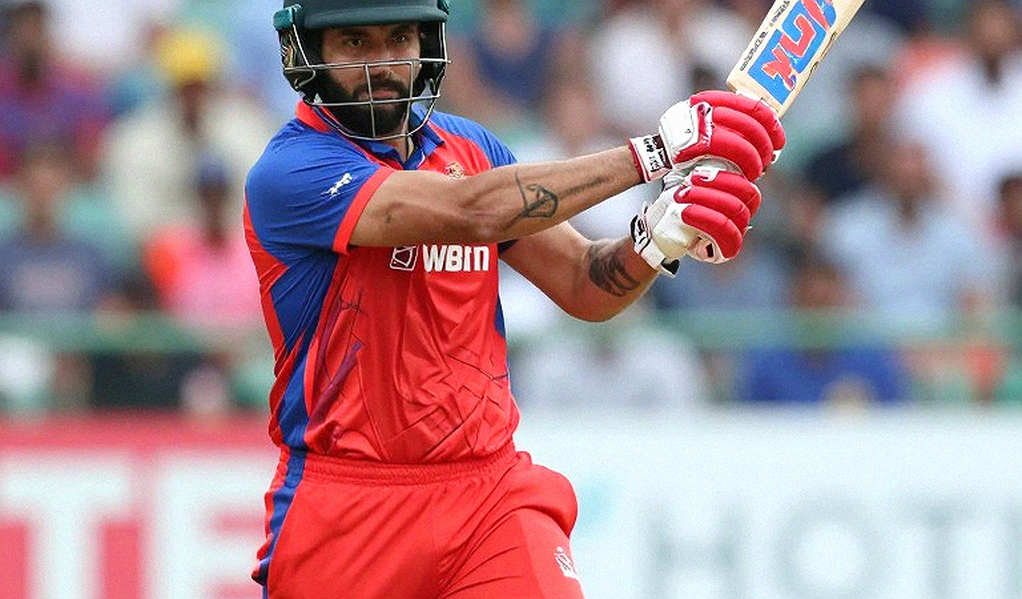
His route also reflects a familiar, important system in Indian cricket: domestic cricket in Haryana, an early introduction to overseas conditions with India A, IPL exposure with Chennai Super Kings, and then a place in the national ODI side. Each stage has a different purpose. Domestic cricket teaches discipline over sustained spells; India A offers an early look at foreign surfaces; the IPL gives a bowler the chance to execute plans against high-level batters under pressure. None guarantees success alone, but together they make selection a process of preparation as well as talent identification.
Kamboj has described his India A experience in New Zealand as useful. He called the wicket “a bit nippy”—a surface where the pace or bounce can be awkward to predict and seam movement can matter. He said the earlier experience helped him identify the right lengths and areas. That offers a practical explanation of his performance: an overseas bowler needs not only skill but a map of the conditions. An India A tour can help draw that map in advance.
The available descriptions of Kamboj’s bowling return repeatedly to the same qualities: accuracy, disciplined lines, and hard lengths. A hard length is short of a full delivery, denying the batter a comfortable drive without offering an easy cut or pull. The batter often has to play from the back foot. In ODI cricket, this can be an effective control method, especially when the pitch offers some assistance and the ball is still hard.
The two-new-ball rule in ODIs is relevant here. A new ball from each end stays hard for longer, allowing seam and bounce to remain factors deeper into an innings. That does not mean every fast bowler automatically benefits. The bowler still needs control, because a poor line or angle can be punished quickly, particularly on a ground with short boundaries. In Kamboj’s case, the available figures say he took two wickets for 22 at Eden Park. Full context on boundaries and the match’s scoring pattern is not available, but the return is striking on its face.
It is worth being careful about describing Eden Park as one of New Zealand’s conventionally most bouncy pitches. The Auckland ground is known for short straight boundaries and has often hosted high-scoring matches. So it would be misleading to treat every New Zealand venue as the same kind of bouncy surface. The second ODI’s venue is not confirmed in the information supplied. Wellington’s Basin Reserve is known for seam and wind, but it should not be identified as the site of the second spell without confirmation from the official scorecard.
Even with those limits, there is something real in Kamboj’s Haryana comparison. Northern Indian winters can bring cold, damp conditions and assistance for seam bowlers; New Zealand’s early summer can also offer helpful weather and pitches. But the match is not exact. Wind in New Zealand can affect swing and release, while some grounds offer bounce that differs from what a bowler encounters at home. Familiar conditions may make the start easier; they do not erase every difference.
Four wickets in two ODIs offer an early sign of Kamboj’s potential control, but they do not establish that he is a proven wicket-taker in every condition. The two match figures add up to 47 runs conceded for four wickets, a bowling average of 11.75. That looks exceptional, but a two-match sample is not a reliable measure of lasting ability. More importantly, the available account does not say how many overs he bowled, how many runs he conceded per over, or which phases he covered. His economy and bowling strike rate therefore cannot be calculated here.
That missing information is not a technical footnote. If a bowler took wickets while keeping control across seven or more overs, that would be strong evidence of sustained control. If he took wickets in short spells, the impact would need a different interpretation. The usefulness of the new ball and the hard length in the middle overs also need separate assessment. The account says nothing about death-over responsibility, so no conclusion can be drawn about his ability in the final ten overs. Missing data does not diminish the performance; it limits our certainty about what it means.
For now, calling Kamboj a “control seamer” is more accurate than presenting him as an express-pace enforcer. The qualities he describes are about building pressure, restricting runs, and making batters err. That is a useful ODI role, particularly in the middle overs, when teams need bowlers who can slow an innings. But the label needs support from overs, economy, and evidence of pressure. Wicket counts alone do not tell us whether the wickets came from a plan, the conditions, or a combination of both.
His IPL performance should not be treated as direct proof of his ODI success either. The available material says Kamboj took 21 wickets in 14 matches for Chennai Super Kings in the 2026 IPL season. That would represent a notable season, but the figure and its timeframe should be checked against official records. IPL and ODI cricket also ask different questions of a bowler. In T20, a bowler has four overs in which to manage both wickets and scoring through specific plans; in ODIs, longer spells, two new balls, and patience in the middle overs can matter more. The IPL may have given Kamboj experience against competitive batters, but that experience cannot substitute for ODI evidence.
Kamboj has spoken about learning from M.S. Dhoni and the Chennai coaching environment. Working with experienced players and coaches can help a young player, particularly in reading match situations and sticking to a plan. Still, that is a player’s account of his development, not an independent measure of performance. A franchise can contribute to preparing a domestic bowler for the national side; his value at international level will ultimately depend on repeatable performances in international conditions.
The selection context matters too. Bringing Kamboj in as a change suggests India are testing their fast-bowling options during this series. It should not immediately be read as a promotion or a guaranteed place in the next major tournament. Yet giving a bowler with limited international experience an opportunity on an overseas tour points to the depth of India’s bench and the selectors’ willingness to prepare options. Strong teams are measured not only by their first choices, but also by which alternatives they can test and in what conditions.
The India A stage may be the less visible, but more useful, part of Kamboj’s story. If a young player gets to play in the same country before the senior tour, he can learn about the wind, lengths, pitches, and batters before the higher-pressure assignment. That may reduce adaptation risk, though it does not prove that the approach will work identically every time. In this case, Kamboj himself said the experience helped him find the right lengths and areas. It is a concrete player account of preparation becoming a decision on the field.
The system is a larger story than the individual. Haryana domestic cricket, India A’s overseas exposure, IPL competition, and a national-team opportunity are institutional links. Kamboj’s international sample remains small, but his route shows that India has a structure for testing players progressively at higher levels. That pathway may be part of the country’s ability to produce fast-bowling options. Two successful spells from one player do not prove the system’s complete success; they do show that the route exists and is being used.
There is a commercial dimension too. Indian fast bowlers are a limited and valuable resource in the IPL, where teams must also comply with the cap on overseas players. If the reported 21-wicket season is confirmed by official records, it could increase Kamboj’s market appeal. But auction value should not be mistaken for a direct measure of international quality. A franchise may value a player because of his age, his status as an Indian bowler, and his potential availability. Sporting value and market value often touch, but they are not the same.
Likewise, the story that Chennai Super Kings helped Kamboj learn, followed by his selection for India, would make too tidy a cause-and-effect narrative. A franchise offers experience; the national board offers an international platform; both benefit. The available information does not state the value of Kamboj’s IPL contract or his price in a future auction cycle. Any specific claim about his market value or the bidding he might attract would lack a foundation here.
The biggest test of this early success will come in conditions that resemble Haryana less closely. On a flat subcontinental pitch, the ball may seam less; Australia’s hard bounce asks for a different kind of control; and England’s wind-assisted movement can require another adjustment. Kamboj’s progress will be measured by how he changes his plan when the conditions change. Can he keep landing the hard length? Can he adjust when batters advance? Can he restrict runs after the new-ball phase? Two favourable matches cannot answer those questions.
Workload should not be overlooked either. The information available includes no injury history, total overs, rest intervals, or account of Kamboj’s workload after the IPL. It is therefore not possible to say that he faces an injury risk; it is fair to say that the information needed to assess it is absent. At 25, he may be entering a favourable development window, but repeated matches and spells put real strain on a fast bowler’s body. Rotation can help not only test options, but keep players fresh.
There is another caution in the language of coverage. Phrases such as “impressive start” or “effective option in the pace attack” can make a small sample sound like a settled identity. The report’s tone is relatively restrained and relies heavily on Kamboj’s own comments, but it includes no independent bowling coach, opposition batter, or detailed statistical analysis. That does not make the report wrong. It means readers should distinguish the player’s account, the reporter’s assessment, and the verified match figures.
The counterargument is that a good performance in favourable conditions is not worthless evidence. Recognising the right length on an overseas tour, sticking to a plan, and taking wickets when given an opportunity are all parts of bowling skill. Reducing every success to “the pitch helped” is as mistaken as declaring a lasting ability from two matches. Conditions help explain a performance; they do not erase the player’s role in it. What Kamboj did in those conditions is an early argument in favour of his selection. It is an argument, not a final verdict.
The next matches will provide a better test. The useful details are clear: his overs, economy, the phases in which his wickets come, whether he is trusted with death overs, and whether he can hold his lengths on a different kind of surface. If he keeps runs down across spells of eight overs or more, the control-seamer case will strengthen. If he is given death overs, that will shed light on a skill that is currently untested. An expensive spell on a different pitch would be useful information too, showing where the limits of favourable conditions lie.
For now, four wickets make a good start, not a verdict on a career. Kamboj has found a resemblance between Haryana and New Zealand in the weather and the ball’s behaviour; India has given him the chance to test that resemblance. The next question is no longer whether he can succeed in conditions that feel like home. It is what new sentence he can add to his bowling when the pitch does not.